Hestia Symbols: 15 Sacred Meanings Explained (2026)
Have you ever felt calm just sitting near a candle or a fire? That feeling has a name, and it goes back thousands of years. Hestia symbols carry that same quiet comfort you feel at home.
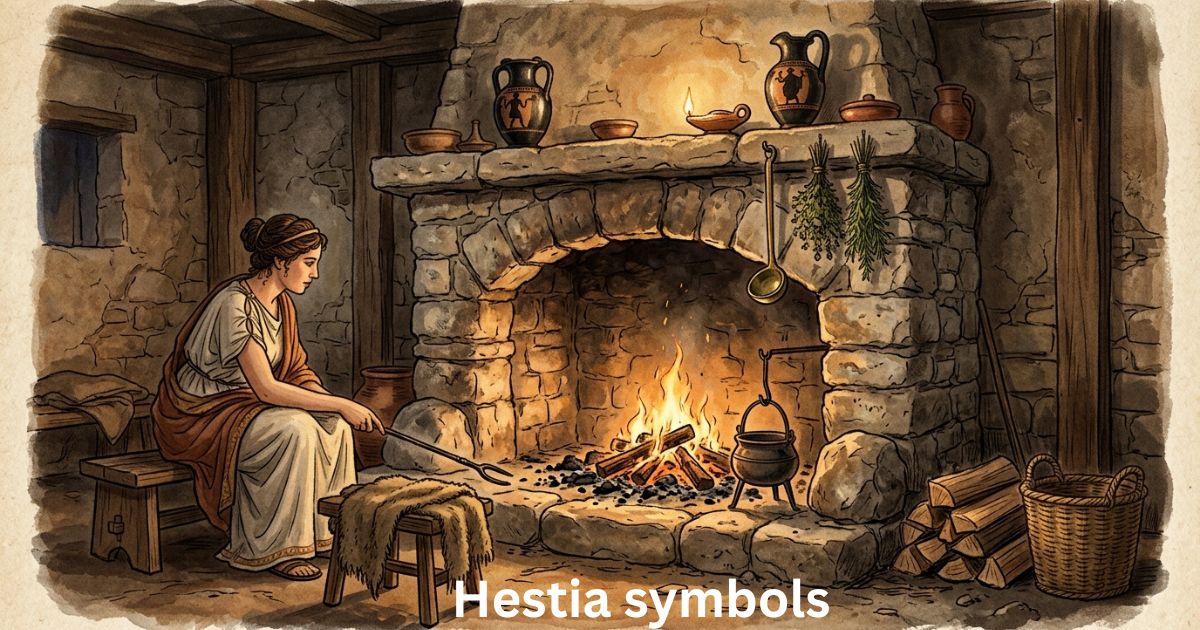
These symbols come from Hestia, the Greek goddess of the hearth. She never fought wars or chased power. She just kept the fire burning. And somehow, that simple job made her one of the most respected gods in Greek mythology.
This guide explains what Hestia symbols mean, where they came from, and why people still feel drawn to them today. You’ll learn her main symbols, what they mean in dreams, and how other cultures share the same idea in their own way.
Quick Answer
- Hestia’s main symbol is the sacred flame — a fire that never goes out.
- Her other symbols include the hearth, the circle, the kettle, and a modest veil.
- These symbols stand for home, safety, peace, and quiet inner strength.
- Rome later worshipped the same goddess under the name Vesta.
What Are Hestia Symbols?
Hestia symbols are objects and images tied to Hestia, the Greek goddess of the hearth and home. In Greek mythology, she was one of the twelve original Olympian gods. But she gave up her seat on Mount Olympus so the god Dionysus could join instead. She chose to stay close to the home fire rather than sit among the powerful gods.
Her symbols are simple. They include fire, a round hearth, a plain circle, a cooking kettle, and a modest veil. None of these show force or war. Every one of them points to daily life, family, and quiet strength.
In ancient Greece, every home kept a fire burning for Hestia. Public buildings kept one too. People believed this flame connected the home to something greater than themselves. If the fire went out, it had to be relit in a special way, often using sunlight or friction, never from an ordinary spark.
Hestia symbols still show up today. You’ll spot them in candle rituals, cozy home decor, and even simple mindfulness practices. The image has changed a little, but the feeling behind it has not.
Hestia Symbols — History and Origin
Hestia was the first child born to Cronus and Rhea, making her the oldest of the original six Olympian gods. Ancient Greek writers described her as gentle and calm, someone who avoided fights between the other gods.
Every Greek city kept a public hearth fire that represented the whole community. When people from that city moved away to start a new town, they carried fire from the original hearth. Lighting the new town’s fire from the old one connected the two places forever.
Families treated their home hearth the same way. Meals began and ended with a small offering to Hestia. Guests were welcomed near the hearth because it stood for safety and trust. Turning someone away from your hearth was seen as a serious insult to the goddess herself.
When Rome adopted Greek mythology, Hestia became known as Vesta. Rome took this tradition even further. A group of priestesses called the Vestal Virgins kept Vesta’s flame burning nonstop for over a thousand years. If the flame ever died, Romans believed it put the whole city at risk.
This history shows one clear pattern. Across two major ancient civilizations, one goddess and one flame stood for the safety of everyone, not just one family.
Top 5 Meanings of Hestia Symbols
1. The Sacred Flame
The flame is Hestia’s most important symbol. It stands for life that never stops, and it reminds people of quiet strength that keeps going even in hard times. Ancient Greeks saw a burning flame as proof that a home, or a whole city, was still alive and protected.
2. The Hearth
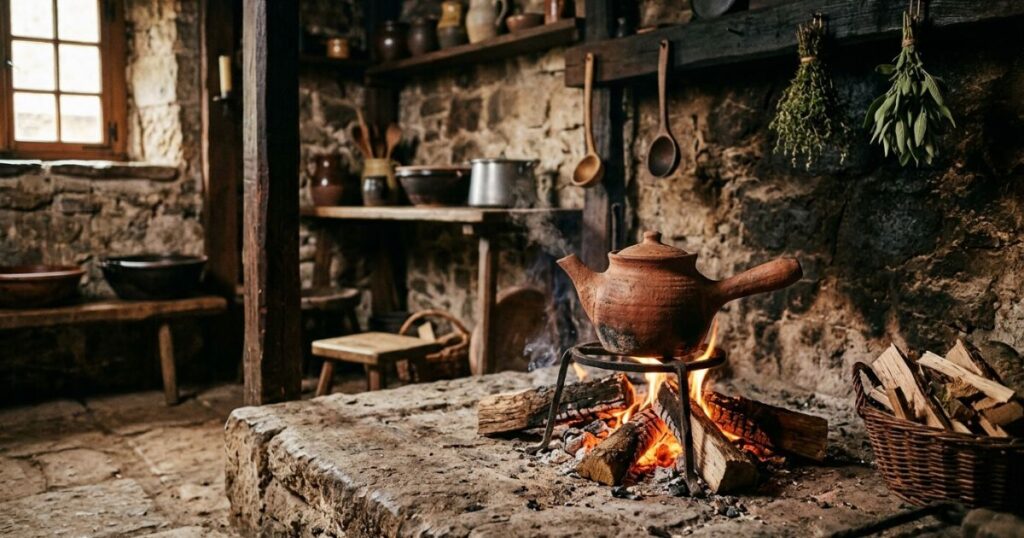
The hearth is the fireplace or fire pit at the center of a home. It meant far more than heat. Families gathered here to eat, talk, and welcome guests. It symbolizes togetherness and the safety that comes from having a place to return to.
3. The Circle
Hestia’s hearth was often built in a circular shape. A circle has no start and no end, so it became a symbol of wholeness and balance. It reminds people that peace is not something you chase. It’s something you return to.
4. The Kettle or Cooking Pot
This symbol points to nourishment and care. Raw food placed over Hestia’s fire became a warm meal for the whole family. It stands for transformation, turning something simple into something that supports life.
5. The Veil
Statues of Hestia often show her wearing a modest veil. This symbol represents quiet strength rather than shown-off power. It teaches that real strength doesn’t need to be loud to matter.
Hestia Symbols in Different Cultures
| Culture | Name Used | Shared Symbol | Core Meaning |
| Ancient Greece | Hestia | Sacred hearth flame | Home, safety, unity |
| Ancient Rome | Vesta | Eternal temple flame | Purity, protection of the city |
| Hindu Tradition | Agni | Ritual fire | Messenger between people and the divine |
| Celtic Tradition | Brigid | Sacred fire | Healing, inspiration, home |
| Modern Culture | — | Candles, minimalist home decor | Calm, mindfulness, comfort |
Hestia is a distinctly Greek figure, but the idea behind her symbols is universal. Nearly every ancient culture treated fire as something sacred, not just useful. That’s because fire did more than cook food and give light. It kept people alive through cold nights, and it gave communities a shared point to gather around.
Even today, this pattern hasn’t disappeared. A candle on a dinner table or a fireplace in a living room still creates that same pull toward warmth and connection, even if no one calls it a “sacred flame” anymore.
Hestia Symbols in Dreams — What Does It Mean?
Seeing fire, a hearth, or a home-related symbol in a dream often points to your emotional state, not a literal event. Dream meanings are personal, but a few common patterns show up again and again.
- A bright, steady flame often reflects inner strength and clear thinking.
- A fading or dying fire can point to feeling tired, drained, or emotionally neglected.
- Building or repairing a hearth often shows a wish for more stability or closer family ties.
- A cold, empty home in a dream may reflect loneliness or a need for connection.
These dreams don’t predict the future. They usually reflect what’s already happening inside you. If you keep dreaming about fire or home, it may be worth asking yourself if you feel settled and safe in your current life.
Spiritual Meaning of Hestia Symbols
Spiritually, Hestia symbols point to stillness rather than performance. The flame represents a steady soul, something that keeps glowing quietly no matter what happens around it.
People who follow modern spiritual practices often use candle rituals inspired by this idea. Lighting a candle before meditating, journaling, or simply sitting in silence can create a sense of sacred space, much like the ancient hearth did for a whole household.
Hestia’s symbols also carry a message about presence. She wasn’t known for grand actions. She was known for simply staying, tending the fire, and holding space for others. That kind of steady presence is a spiritual lesson on its own: you don’t need to be loud to matter.
Hestia Symbols — Common Myths vs Real Facts
| Myth | Real Fact |
| Hestia had many animal symbols like other gods | She has very few animal ties; the pig appears only through simple household offerings |
| Hestia was a minor, forgettable goddess | She was one of the original twelve Olympians and held major cultural importance |
| Hestia’s symbols are only about physical fire | Her symbols represent emotional safety and inner peace just as much as heat |
| The Vestal Virgins were a Greek tradition | They were a Roman tradition, tied to Vesta, the Roman version of Hestia |
| Hestia is barely mentioned in myths, so she wasn’t respected | She was honored first at every ritual and offering, even before major gods like Zeus |
How to Use This Symbol in Your Life
You don’t need a temple to bring Hestia’s meaning into daily life. Try a few simple habits:
- Light a candle during dinner to create a moment of calm connection with family.
- Keep one corner of your home cozy and clutter-free as a personal “hearth.”
- Use a steady flame as a visual focus point during meditation or quiet reflection.
- Practice small, quiet acts of hospitality, like offering a warm drink to a guest.
- Treat rest and stillness as valuable, not lazy — Hestia’s whole role was about staying grounded.
These small actions echo exactly what her ancient symbols always meant: safety, warmth, and steady presence.
Read More: How to Remove Paragraph Symbols in Outlook 2026 Guide
FAQ — Hestia Symbols
What is the main symbol of Hestia?
The sacred flame is her main symbol. It stands for life, safety, and steady presence.
What animal is linked to Hestia?
The pig is sometimes tied to her, mainly through simple household offerings, not a strong personal connection.
Is Hestia the same as Vesta?
Yes. Vesta is the Roman name for the same goddess, worshipped with a very similar sacred flame tradition.
What do Hestia symbols mean in dreams?
They usually reflect your need for emotional stability, comfort, or reconnection with home and family.
Did Hestia ever marry?
No. She chose to remain unmarried and devoted her role to the hearth instead.
Why did Hestia give up her seat among the Olympians?
She gave her seat to Dionysus to avoid conflict, showing her preference for peace over status.
Conclusion
Hestia symbols look simple on the surface: a flame, a hearth, a plain circle. But they carry one of the oldest human lessons there is. Real strength doesn’t have to be loud. Sometimes it just needs to keep glowing, steady and calm, no matter what’s happening around it.
The next time you light a candle or sit near a fire, remember what that flame has meant for thousands of years. It’s not just light. It’s home. If this guide helped you understand Hestia symbols, explore more Greek mythology symbols to see how these ancient ideas still shape the world today.

Muhammad Shoaib is a passionate content writer and symbolism researcher at TrendyMegzine.com, where he explores the hidden meanings behind symbols, spiritual signs, ancient traditions, dream interpretations, and cultural symbolism.