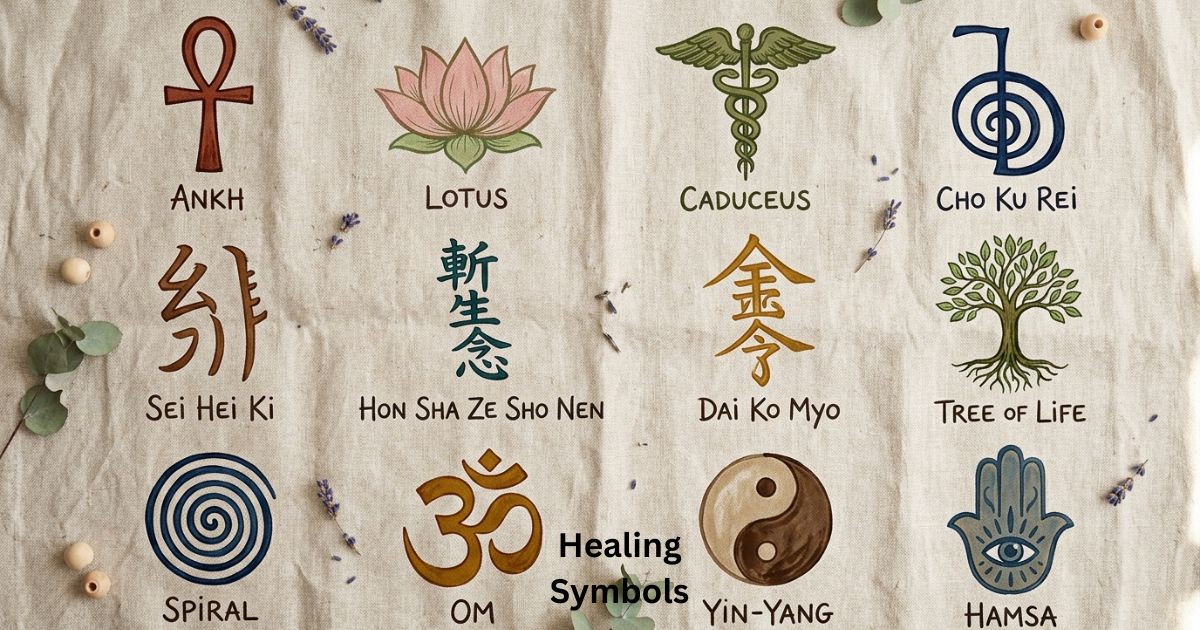
91+ Best Healing Symbols From Around the World 2026
Quick Answer Box
What are the most powerful healing symbols?
- ☥ Ankh — eternal life and divine healing (Ancient Egypt)
- 🪷 Lotus Flower — rebirth and emotional healing (Buddhism/Hinduism)
- ⚕️ Caduceus — balance and medical healing (Greek mythology)
- 🌀 Spiral — growth and continuous healing (Sacred geometry)
- 🌳 Tree of Life — strength and connection (Celtic/Norse)
- ☯️ Yin-Yang — balance between opposites (Chinese tradition)
- ✋ Healer’s Hand — comfort and restoration (Shamanic traditions)
- 🔆 Reiki Symbols — energy flow and emotional balance
- ☀️ Sun Symbol — life force and vitality
- 🕊️ Dove — peace and emotional release
Have you ever stared at a simple shape and felt something inside you settle?
That feeling is not random. Healing symbols have helped people feel calm, hopeful, and whole for thousands of years. From ancient temple walls to modern tattoos, these signs carry something deeper than decoration. They carry meaning that touches the heart.
People around the world turn to healing symbols during hard times. A new diagnosis. A broken heart. A long, tiring year. These symbols become quiet companions — small reminders that pain does not last forever and that healing is always possible.
In this guide, you will learn about 91+ healing symbols from cultures across the globe. You will discover their history, their spiritual meaning, and how you can bring their power into your own life. Whether you are searching for a tattoo, a meditation focus, or simply curious — this guide has everything you need.
Let’s begin.
What Are Healing Symbols?
Healing symbols are signs, shapes, or images that represent restoration, balance, and inner peace.
People have used these symbols for thousands of years to support healing of the body, mind, and spirit. They are not magic. They work in a different way — through belief, focus, and emotional connection.
Think about it like this. When you hold something that reminds you of strength, your mind shifts. You breathe slower. You feel a little braver. That is the real power of a healing symbol — it gives your mind something steady to hold onto during hard times.
Where do healing symbols come from?
Ancient people carved them into temple walls. Priests painted them on sacred objects. Healers wore them as jewelry to protect and restore those they cared for. Over time, these symbols spread across the world — through trade, travel, and shared belief.
Where do you see healing symbols today?
- Tattoos that mark a personal healing journey
- Jewelry worn during recovery from illness or grief
- Meditation rooms and yoga studios
- Hospital and medical logos (like the caduceus)
- Art, books, and home decor
Healing symbols matter because they give people something to focus on besides pain. They turn an invisible feeling — hope — into something you can actually see and touch.
Healing Symbols — History and Origin
The story of healing symbols stretches back through every major civilization on Earth.
Ancient Egypt (3000 BC+)
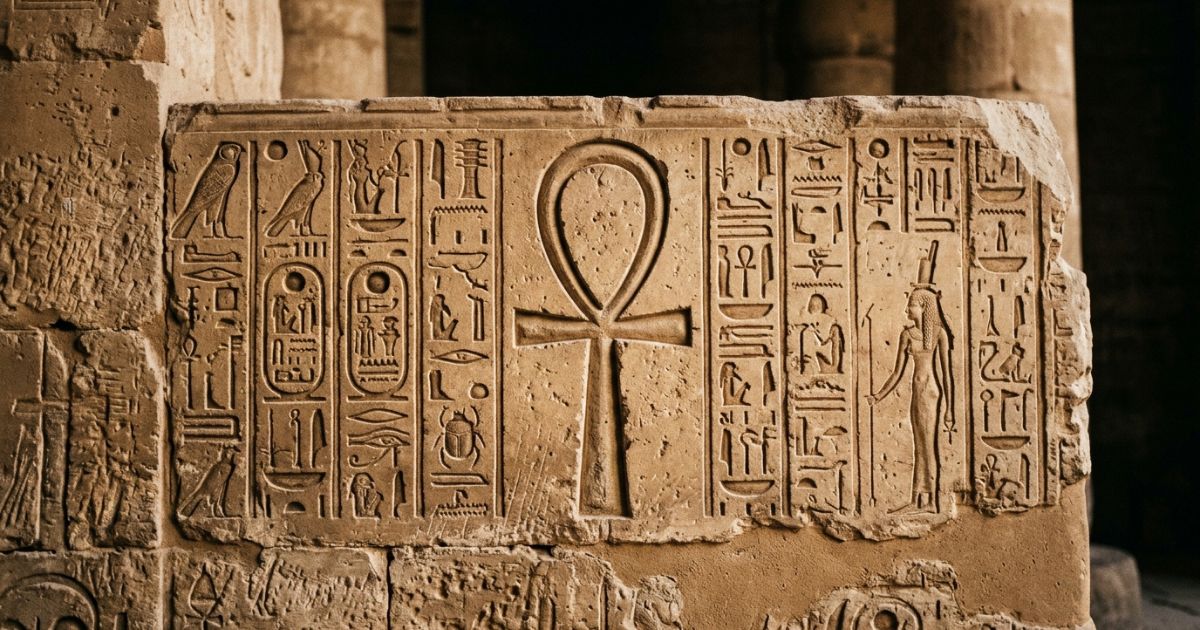
In Ancient Egypt, healing and spirituality were deeply connected. Priests believed certain symbols carried divine life force. The most famous of these is the Ankh — a cross with a loop at the top, representing eternal life.
Egyptian healers painted the Ankh on temple walls and wore it as an amulet. They believed it channeled life energy into the body, supporting both physical and spiritual healing.
Ancient Greece (800 BC – 300 BC)
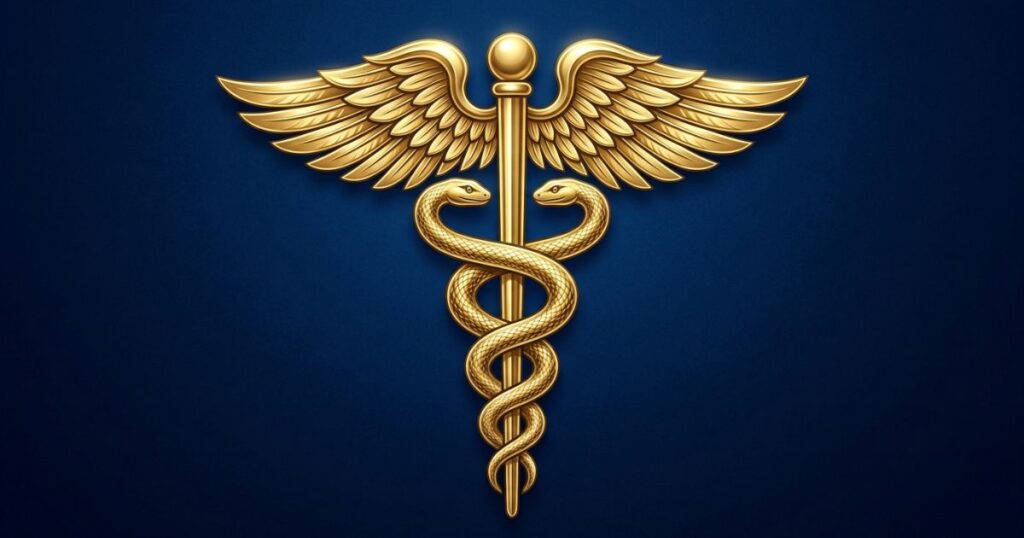
The Greeks gave us one of the most recognized healing symbols in the modern world: the caduceus — a staff wrapped by two snakes with wings at the top. This symbol came from the god Hermes and later became linked to Asclepius, the Greek god of medicine.
The snake itself was seen as a healing creature because it could shed its skin and appear “reborn.” This idea of shedding the old to make way for something new became a core theme in healing symbolism across many cultures.
Ancient India (1500 BC+)
In India, healing symbols developed deeply within Hindu and Buddhist traditions. The lotus flower became one of the most beloved healing symbols in the world. It grows up through muddy water but blooms clean and beautiful above the surface — a perfect symbol for healing through struggle.
Around the same time, mandalas — circular geometric patterns — were used in meditation to help calm the mind and represent wholeness.
Ancient China (1000 BC+)
Chinese philosophy gave the world the yin-yang symbol — two interlocking shapes representing balance between opposite forces. Healing in Chinese tradition was always about restoring balance, whether in the body, the emotions, or the surrounding environment.
This is also where the foundational ideas behind acupuncture and energy meridians developed — concepts that still influence healing practices today.
Celtic and Norse Traditions (500 BC – 800 AD)
Celtic and Norse cultures created powerful Tree of Life symbols, showing deep roots and wide branches. This represented strength, connection, and the cycle of healing through generations. Celtic knots, with no clear beginning or end, symbolized that healing is never truly finished — it is a continuous, evolving journey.
Native American Traditions
Many Native American tribes used nature-based healing symbols — feathers, circles, and animal spirits — to represent balance with the earth. The Medicine Wheel, a circle divided into four sections, remains one of the most respected healing symbols in Native American spirituality, representing the four directions, seasons, and stages of life.
Modern Era — Reiki and Energy Healing (1900s–Present)
In the early 1900s, a Japanese man named Mikao Usui developed Reiki, a healing practice built around specific sacred symbols believed to channel energy. These symbols spread worldwide through the 20th century and remain widely used in spiritual healing communities today.
Today, healing symbols continue to evolve — appearing in tattoos, jewelry, wellness apps, and even hospital logos, carrying their ancient meaning into modern life.
Top 25+ Meanings of Healing Symbols
Here is a complete guide to the most powerful and recognized healing symbols in the world.
1. The Ankh ☥
What it looks like: A cross with a loop at the top.
What it means: Eternal life, divine healing, and the flow of life energy through the body.
Where it comes from: Ancient Egypt, where it was carved into temple walls and worn as protective jewelry.
The Ankh remains one of the most recognized healing symbols today, often chosen for tattoos representing strength through hardship and a deep connection to life itself.
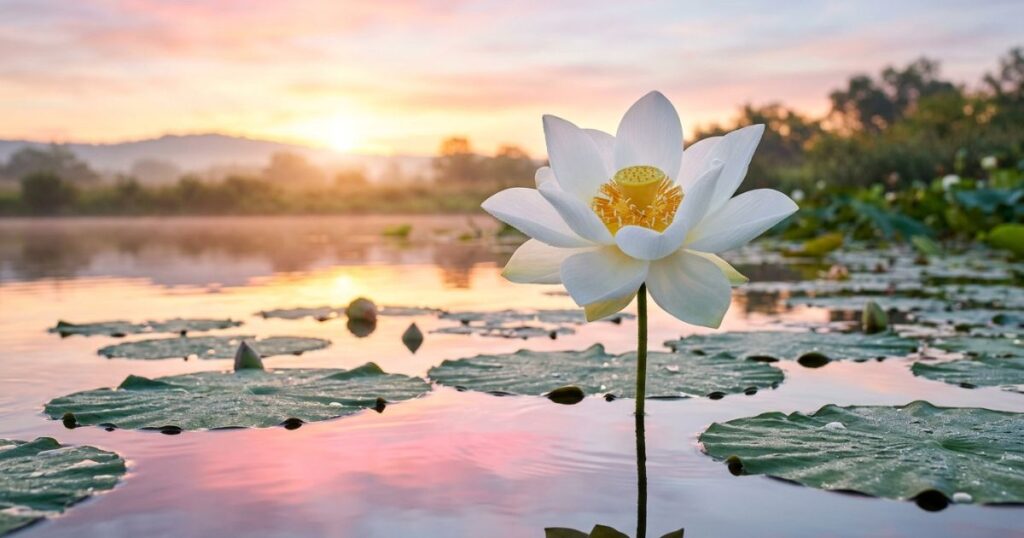
2. The Lotus Flower 🪷
What it looks like: A blooming flower rising from muddy water.
What it means: Purity, rebirth, and emotional healing through struggle.
The lotus teaches an important lesson: healing often grows out of difficult, “muddy” circumstances. No matter how hard your environment, you can still rise and bloom beautifully.
Different colors carry slightly different meaning — white lotus represents spiritual purity, while pink represents the highest form of healing and enlightenment.
3. The Caduceus ⚕️
What it looks like: A staff with two snakes wrapped around it, topped with wings.
What it means: Balance, transformation, and medical healing.
This symbol represents the balance between opposing forces in the body and the natural process of shedding old pain to make way for renewal — just as a snake sheds its skin.
4. Reiki Symbols 🔆
What they look like: Sacred geometric shapes, each with a unique form and name (Cho Ku Rei, Sei He Ki, Hon Sha Ze Sho Nen, and others).
What they mean: Each Reiki symbol channels a specific type of healing energy.
| Reiki Symbol | Name | Meaning |
| Power Symbol | Cho Ku Rei | Increases energy and power in healing |
| Harmony Symbol | Sei He Ki | Emotional and mental healing |
| Connection Symbol | Hon Sha Ze Sho Nen | Distance healing across time and space |
| Master Symbol | Dai Ko Myo | Deep spiritual healing and enlightenment |
Reiki practitioners use these symbols during healing sessions, believing they help direct and intensify healing energy toward a person’s mind, body, or spirit.
5. The Tree of Life 🌳
What it looks like: A tree with deep roots and wide branches.
What it means: Growth, strength, and the interconnected nature of healing.
The Tree of Life reminds people that healing is rarely a solo journey. Just as a tree’s roots connect underground to other trees, our healing is connected to the people who support us.
6. The Spiral 🌀
What it looks like: A circular pattern moving outward from a center point.
What it means: Growth, evolution, and continuous healing.
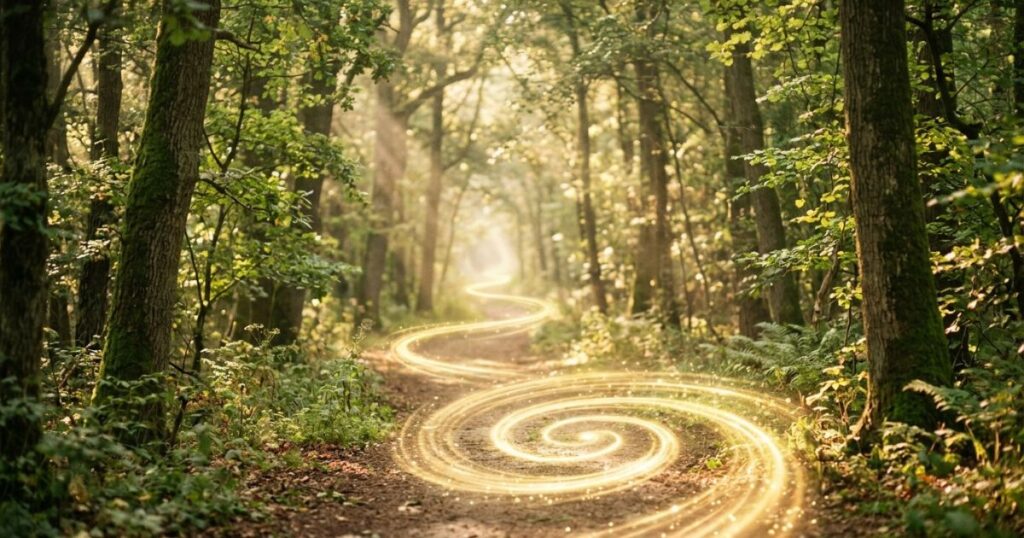
The spiral teaches that healing is not a straight line. It moves in circles, sometimes returning to familiar feelings, but always expanding outward toward something bigger and better.
7. Yin-Yang ☯️
What it looks like: A circle split into black and white halves, each containing a dot of the opposite color.
What it means: Balance and harmony between opposite forces.
In Chinese healing philosophy, illness and pain often come from imbalance. The yin-yang reminds people that true healing comes from restoring balance — not eliminating one side completely, but honoring both.
8. The Healer’s Hand (Shaman’s Hand) ✋
What it looks like: An open hand, sometimes with symbols or an eye drawn in the palm.
What it means: Comfort, restoration, and the power to soothe pain.
This symbol appears across shamanic traditions worldwide. The hand represents the literal touch of a healer — comforting, steady, and protective.
9. The Medicine Wheel
What it looks like: A circle divided into four equal sections, often in red, yellow, black, and white.
What it means: Balance among the physical, emotional, mental, and spiritual aspects of healing.
Native American traditions use the Medicine Wheel to represent the four directions, seasons, and stages of human life — reminding people that healing touches every part of who they are.
10. The Om Symbol 🕉️
What it looks like: A flowing curved character with a semicircle and dot above it.
What it means: The sound of the universe, inner peace, and spiritual healing.
Chanting “Om” during meditation is one of the oldest healing practices in the world, believed to calm the nervous system and connect the body to a larger sense of peace.
11. The Sun Symbol ☀️
What it looks like: A circle with rays extending outward.
What it means: Life force, vitality, and emotional warmth.
Many cultures associate the sun with healing because of its life-giving energy. After a difficult season, people often describe healing as feeling like “the sun coming out again.”
12. The Dove 🕊️
What it looks like: A white bird, often shown in flight or carrying an olive branch.
What it means: Peace, emotional release, and the end of suffering.
The dove appears in many religious and spiritual traditions as a sign that pain has passed and peace has arrived.
13. The Eye of Horus
What it looks like: A stylized eye with distinctive markings beneath it.
What it means: Protection, health, and royal power in Ancient Egyptian tradition.
This symbol was believed to protect against illness and was often worn as an amulet for physical healing and protection from harm.
14. The Celtic Knot
What it looks like: An interwoven, looping pattern with no clear beginning or end.
What it means: Eternity and the unbroken cycle of healing.
The Celtic knot reminds people that healing never truly ends — it continues weaving through every part of life, always connected, never broken.
15. The Phoenix
What it looks like: A mythical bird rising from flames.
What it means: Rebirth, resilience, and rising stronger after hardship.
The phoenix is one of the most popular symbols chosen for healing tattoos because it directly represents the idea of being “reborn” after pain or loss.
16. The Mandala
What it looks like: A symmetrical, circular geometric design.
What it means: Wholeness and the cycle of healing.
Mandalas are widely used in meditation and art therapy. Drawing or coloring a mandala can calm the mind and help process difficult emotions.
17. Sacred Geometry Symbols (Flower of Life, Metatron’s Cube)
What they look like: Complex, symmetrical geometric patterns made of overlapping circles or shapes.
What they mean: Universal balance and the underlying structure of healing energy.
Many spiritual practitioners believe these patterns connect the human body to universal energy, supporting deep healing on a cellular level.
18. The Heart Symbol ❤️
What it looks like: The universal heart shape.
What it means: Emotional healing, love, and self-compassion.
While often linked with romance, the heart symbol is also widely used in emotional healing practices as a reminder to be gentle with yourself.
19. The Butterfly 🦋
What it looks like: A colorful winged insect in flight.
What it means: Transformation and emotional healing through change.
A caterpillar must go through a difficult, hidden process before becoming a butterfly. This makes it one of the most relatable symbols for anyone healing through a hard transition.
20. The Feather
What it looks like: A single bird feather, often light and delicate.
What it means: Lightness, release, and spiritual protection.
In many Native American and shamanic traditions, feathers represent letting go of heavy emotional burdens and trusting in spiritual guidance.
21. The Infinity Symbol ∞
What it looks like: A sideways figure eight.
What it means: Endless healing and unbreakable inner strength.
This symbol reminds people that their capacity to heal and grow has no real limit — even after the hardest seasons of life.
22. The Rod of Asclepius
What it looks like: A single snake wrapped around a staff (without wings, unlike the caduceus).
What it means: Medicine and physical healing.
This is actually the official symbol of modern medicine in many countries, distinct from the caduceus, though the two are often confused.
23. Hamsa Hand 🖐️
What it looks like: An open palm with an eye in the center.
What it means: Protection from negative energy and emotional harm.
Common across Middle Eastern and North African traditions, the Hamsa is often worn during difficult emotional periods to ward off additional pain or negativity.
24. The Triskelion (Triple Spiral)
What it looks like: Three connected spirals.
What it means: Mind, body, and spirit healing together as one.
This ancient Celtic symbol represents the idea that true healing must address all three parts of a person, not just one.
25. The Lily Flower
What it looks like: A trumpet-shaped flower, often white.
What it means: Purity, renewal, and peaceful healing after loss.
Lilies are commonly given during times of grief because they represent a peaceful return to hope after sorrow.
Healing Symbols in Different Cultures
Healing symbols look different everywhere, but they share the same emotional purpose. Here is a clear comparison:
| Culture | Symbol | Healing Meaning |
| Ancient Egypt | Ankh | Eternal life and divine healing |
| Ancient Greece | Caduceus | Balance and medical healing |
| India (Hindu/Buddhist) | Lotus, Mandala | Rebirth and spiritual wholeness |
| China | Yin-Yang | Balance between opposing forces |
| Celtic | Tree of Life, Triskelion | Strength, connection, mind-body-spirit unity |
| Norse | Tree of Life (Yggdrasil) | Connection across all realms of life |
| Native American | Medicine Wheel, Feather | Balance with nature and spiritual guidance |
| Middle East | Hamsa Hand | Protection from negative energy |
| Japan | Reiki Symbols | Channeled energy healing |
| Modern Western | Phoenix, Infinity Symbol | Rebirth and unlimited resilience |
What this table shows us: No matter where you go in the world, humans have always created visual reminders that healing is possible. The shapes differ, but the hope behind them is the same.
Healing Symbols in Dreams — What Does It Mean?
Seeing healing symbols in your dreams can carry deep meaning. Here is what different symbols suggest:
Dreaming of a lotus flower: Personal growth is happening, even if it doesn’t feel obvious yet. This dream often appears during quiet periods of emotional healing.
Dreaming of a spiral: You are going through change or transformation. The spiral suggests you are not stuck — you are evolving, even if progress feels slow.
Dreaming of a tree: Stability and grounding. This dream often appears when you need to feel rooted and supported during a difficult time.
Dreaming of the Ankh or Egyptian symbols: Your subconscious may be reminding you of your own resilience and inner life force, especially after a period of exhaustion or illness.
Dreaming of a phoenix or fire: Something old in your life is ending so something new can begin. This is often a deeply positive sign of personal rebirth.
Dreaming of an open hand: You may need comfort or support right now — or you may be the one called to offer comfort to someone else.
Dreaming of broken symbols becoming whole: This represents the healing process itself. It often appears when you are close to resolving something painful from your past.
Dreaming of light or sunlight: Hope and renewed energy. This dream often follows a period of sadness, signaling that brighter days are approaching.
Spiritual Meaning of Healing Symbols
On a spiritual level, healing symbols are believed to connect humans to something greater than themselves.
Symbols as Energy Channels
Many spiritual traditions believe that healing symbols are not just pictures — they are channels. When a person focuses on a healing symbol with intention, they believe it helps direct healing energy toward the body, mind, or spirit.
This is the foundation of Reiki healing, where specific symbols are visualized or drawn during a session to intensify the flow of healing energy.
The Power of Repetition and Ritual
Spiritually, healing symbols gain power through repeated use. A person who meditates daily on the Om symbol, or who wears an Ankh pendant every day, builds a personal relationship with that symbol over time. The symbol becomes a trigger — instantly bringing the mind into a calmer, more healing state.
Sacred Geometry and the Body
Many spiritual teachers believe the human body itself follows patterns of sacred geometry. This is why symbols like the Flower of Life and Metatron’s Cube are believed to resonate with the body on a deep level, supporting healing at what practitioners describe as a cellular or energetic level.
The Third Eye and Inner Vision
In many traditions, visualizing a healing symbol with the “third eye” — the spiritual center of intuition located between the eyebrows — is believed to deepen the healing connection beyond what the physical eyes alone can offer.
Collective Spiritual Memory
Healing symbols also carry what some call collective memory — the accumulated belief and intention of millions of people who have used that symbol for healing across centuries. Many believe this shared spiritual energy makes ancient healing symbols even more powerful today.
Healing Symbols — Common Myths vs Real Facts
There is a lot of confusion about healing symbols. Here is the truth:
| Myth | Real Fact |
| “Healing symbols have magical powers on their own” | False. They work through belief, focus, and emotional connection — not magic. |
| “The caduceus and Rod of Asclepius are the same symbol” | False. The caduceus has two snakes and wings; the Rod of Asclepius has one snake and no wings. |
| “Only religious people can use healing symbols” | False. Many healing symbols are spiritual but not tied to any specific religion. |
| “Reiki symbols require years of training to use” | Partially false. Basic understanding can be learned quickly, though deeper practice does take time and guidance. |
| “All healing symbols mean the same thing” | False. Each symbol carries a distinct cultural and spiritual meaning. |
| “Wearing a healing symbol guarantees physical recovery” | False. Symbols support emotional and mental well-being; they do not replace medical treatment. |
| “Healing symbols are only for tattoos” | False. They appear in meditation, jewelry, art, home decor, and daily rituals. |
| “Ancient healing symbols have lost their meaning today” | False. Millions of people still actively use these symbols in meditation, healing practices, and personal reflection. |
How to Use Healing Symbols in Your Life
You do not need to be spiritual or religious to benefit from healing symbols. Here are simple, meaningful ways to bring them into your daily life.
1. Choose One Symbol That Speaks to You Look through the symbols in this guide. Notice which one creates a feeling inside you — calm, hope, strength. That feeling is your starting point.
2. Wear It Daily A small pendant, ring, or bracelet featuring your chosen symbol can serve as a quiet, personal reminder throughout your day.
3. Use It During Meditation Sit quietly and visualize your chosen symbol. Focus on your breath as you picture it glowing softly. Even five minutes can help calm an anxious mind.
4. Get a Meaningful Tattoo Many people choose a healing symbol tattoo to mark a personal milestone — recovery from illness, the end of a hard relationship, or simply choosing to keep going.
5. Create Healing Art Draw, paint, or color a mandala or spiral. The process itself can be calming, regardless of artistic skill.
6. Decorate Your Space With Intention Place a Tree of Life print near your bed, or a small Ankh on your desk. Visual reminders throughout your day reinforce a healing mindset.
7. Practice Reiki Symbol Visualization Even without formal Reiki training, visualizing the Cho Ku Rei (power symbol) before a stressful moment can help you feel more grounded and capable.
8. Share Symbols With Others Gift a healing symbol — a small lotus charm, a feather pendant — to someone going through a hard time. It tells them, without needing many words, that healing is possible.
Read More: Jeep Dashboard Symbols and Meanings — Complete 2026 Guide
FAQ — Healing Symbols
Q1: What is the most powerful healing symbol?
There is no single most powerful healing symbol — strength comes from personal belief and emotional connection. That said, the Ankh, lotus flower, and Reiki power symbol (Cho Ku Rei) are among the most widely recognized and used healing symbols across cultures.
Q2: What items symbolize healing?
Common healing items include crystals (like rose quartz and amethyst), feathers, lotus charms, Ankh pendants, dream catchers, and Tree of Life jewelry. Many people also use sacred geometry art or singing bowls as healing tools alongside symbolic imagery.
Q3: Which symbol is good for health?
The caduceus and Rod of Asclepius are historically linked to physical health and medicine. For overall wellness, the yin-yang symbol is often chosen to represent balance across physical, emotional, and mental health.
Q4: What symbols represent emotional healing?
The lotus flower, butterfly, heart symbol, and spiral are among the most common symbols for emotional healing. They represent growth through difficulty, transformation, and the ongoing nature of emotional recovery.
Q5: Do healing symbols really work?
Healing symbols work through psychological and emotional influence rather than physical magic. Focusing on a meaningful symbol can calm the nervous system, reduce stress, and support a more hopeful mindset — all of which positively affect overall well-being.
Q6: Can I use healing symbols even if I’m not religious?
Yes. While many healing symbols have religious origins, most are used today in a spiritual but non-religious way. People of all backgrounds use symbols like the lotus, spiral, or Tree of Life simply as personal sources of comfort and meaning.
Q7: What does it mean to dream about healing symbols?
Dreaming about healing symbols often reflects an inner process of growth, change, or emotional release happening in your waking life. The specific symbol — lotus, spiral, tree, or light — gives more detail about what kind of healing your mind may be processing.
Q8: Are Reiki symbols safe to learn on my own?
Basic awareness of Reiki symbols is generally considered safe for personal reflection and meditation. However, formal Reiki practice — especially hands-on healing for others — is best learned through a certified practitioner to ensure proper technique and understanding.
Conclusion
Healing symbols are living reminders that pain is never the end of the story.
From the Ankh carved into Egyptian temple walls to the lotus blooming in muddy water, these symbols have carried one consistent message across every culture and century: healing is always possible.
Whether you choose the spiral to represent your ongoing journey, the phoenix to mark your rebirth, or the simple lotus to remind yourself that beauty can grow from hardship — these healing symbols offer something words sometimes cannot.

Muhammad Shoaib is a passionate content writer and symbolism researcher at TrendyMegzine.com, where he explores the hidden meanings behind symbols, spiritual signs, ancient traditions, dream interpretations, and cultural symbolism.