41+ Puerto Rican Symbols That Reveal the Island’s True Soul
Close your eyes and think of Puerto Rico.
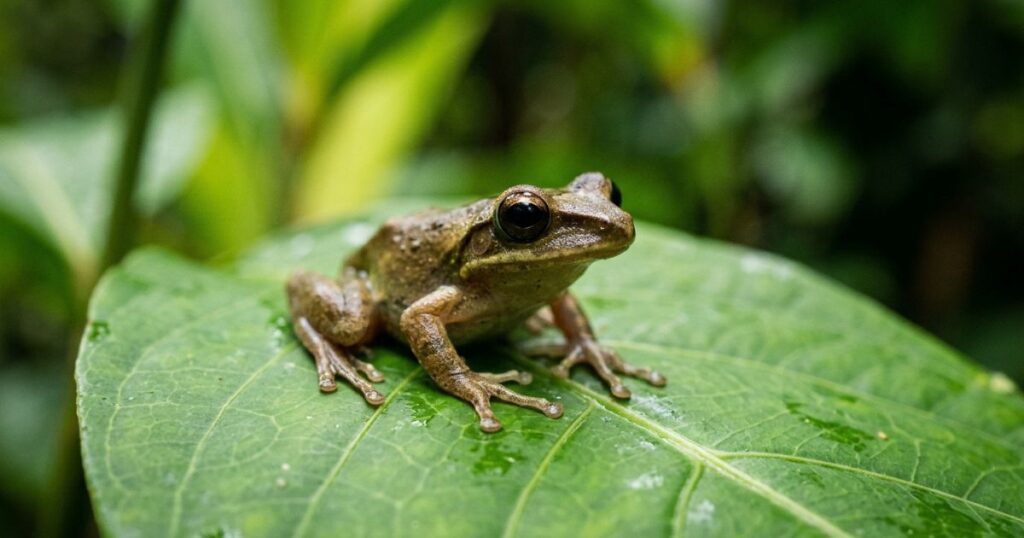
What arrives first is not a map or a flag. It is a sound — the chorus of tiny frogs calling through warm Caribbean darkness, a sound so deeply woven into the island’s identity that Puerto Ricans living thousands of miles away have said that hearing it, just once, undoes something tight inside their chest.
That sound belongs to the coqui frog. And it is one of the most powerful Puerto Rican symbols in existence — not because it was declared official, but because it is felt.
Puerto Rican symbols carry stories that span three civilizations. The indigenous roots of the Taíno people, who carved sacred images into stone centuries before Columbus arrived. The Spanish colonial era that layered crosses and crowns over ancient traditions. The African heritage brought through the brutality of the slave trade, which infused the island’s soul with rhythm, resilience, and spiritual depth.
This guide explores more than 41 Puerto Rican symbols — their meanings, their origins, their psychological weight, and why they continue to move hearts across generations and continents.
What Are Puerto Rican Symbols?
Puerto Rican symbols are visual, cultural, and spiritual representations of the island’s identity, history, and collective soul.
They are not simply decorations. They are a language — developed over centuries by people who needed to express things that ordinary words could not hold.
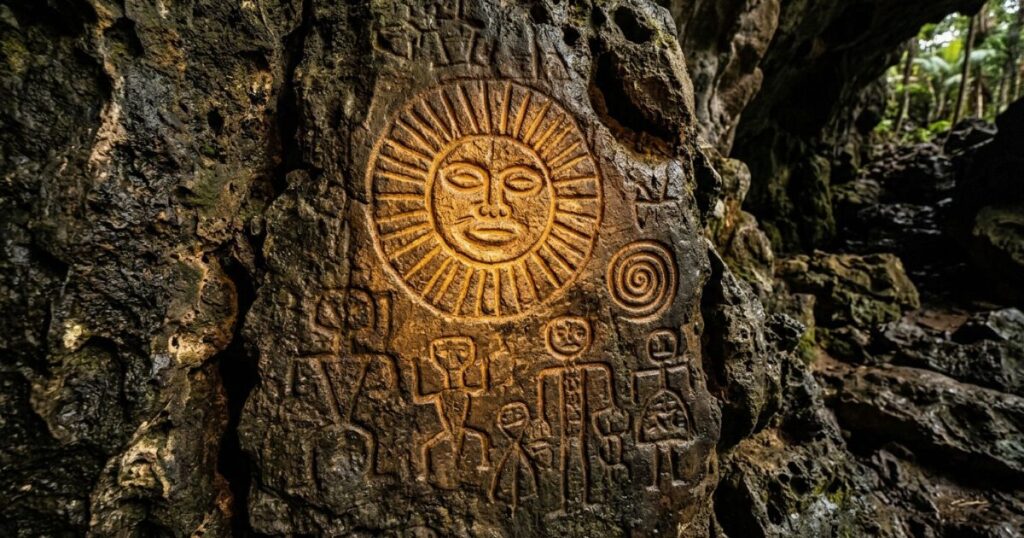
The Taíno people, Puerto Rico’s original inhabitants, carved symbols called petroglyphs into rock faces and cave walls across the island. These carvings were prayers, maps, and spiritual records. They depicted their gods — called zemis — and the forces of nature that governed life.
When Spanish colonization began in the 15th century, new symbols arrived — crosses, royal emblems, cathedral architecture. Some traditional symbols were suppressed. Others quietly survived, hidden in art, jewelry, and oral tradition.
The African heritage brought by enslaved people added further layers. Symbols became embodied — expressed through music, dance, spiritual ritual, and a cultural resilience that transformed suffering into beauty.
Today, Puerto Rican symbols appear in tattoos, murals, flags, jewelry, and daily life across the island and across the diaspora that stretches from San Juan to the South Bronx.
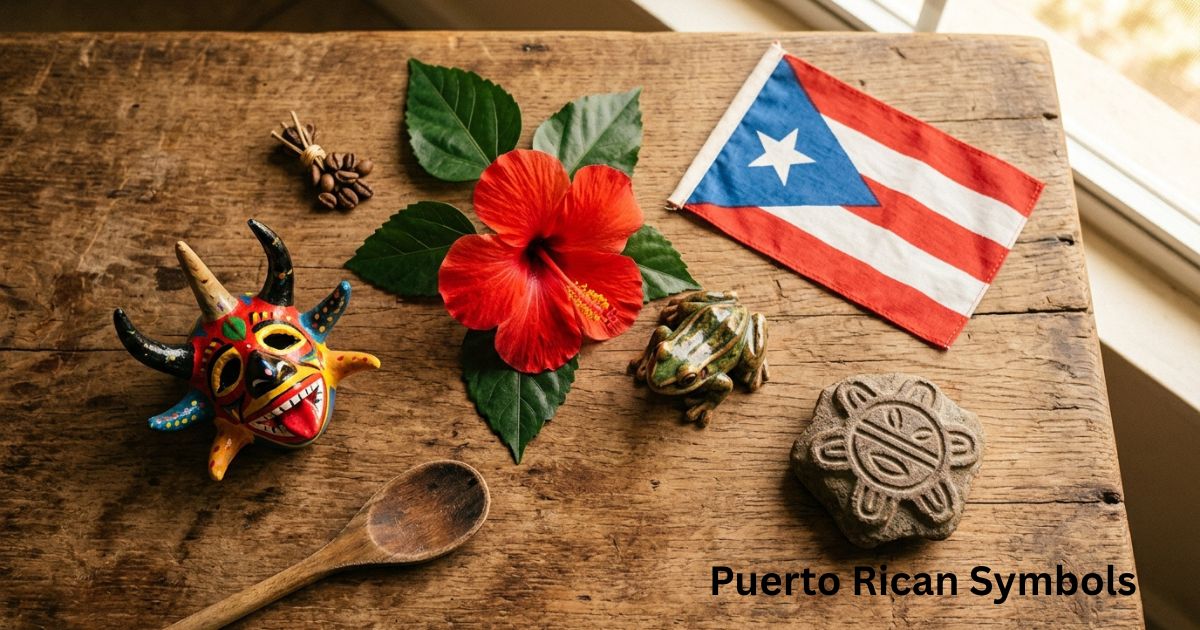
[IMAGE ALT: Collection of Puerto Rican symbols including coqui frog, Taíno sun, hibiscus flower, and Puerto Rican flag arranged in an elegant cultural display]
The Three Roots of Puerto Rican Symbolism
Understanding Puerto Rican symbols requires understanding the three civilizations whose meeting — however violent — created the island’s extraordinary cultural identity.
The Taíno Root
The Taíno were the indigenous Arawak people of the Caribbean. They called their island Boriken — “Land of the Noble Lord.” Their symbolic language was rich, spiritual, and deeply connected to the natural world.
Zemis — small carved figures representing ancestral spirits and nature deities — were among the most important Taíno symbols. They were placed in homes, worn as amulets, and consulted for guidance. The petroglyphs carved into volcanic rock across Puerto Rico still exist, a permanent record of a worldview that modern archaeologists are only beginning to fully decode.
The Spanish Colonial Root
Spanish colonization in 1493 brought Catholic symbolism that merged — sometimes forcibly, sometimes organically — with Taíno tradition. The cross, the saints, the coat of arms, and the architectural grandeur of El Morro fortress became new symbols of the island’s identity.
Some of these symbols represent oppression. Others represent the resilience of a people who found ways to preserve their identity within the structures imposed upon them.
The African Root
African heritage arrived through the transatlantic slave trade and became embedded in Puerto Rican culture in ways that cannot be separated from the island’s soul. Spiritual practices, musical rhythms, and symbolic imagery from West African traditions blended with Taíno and Spanish influences to create something entirely new — the bomba drum, the vejigante mask, the colors that made cultural resilience visible.
41+ Puerto Rican Symbols and Their Deep Meanings
1. The Coqui Frog
Visual: A small tree frog with rounded eyes and a smooth compact body. Meaning: Home, identity, the voice of the island itself. Origin: The coqui frog is named for its call — “ko-KEE” — which fills Puerto Rican nights with sound. Unlike most frogs, it cannot survive transplantation to other climates. Puerto Ricans living abroad say this makes it the perfect symbol: the coqui belongs to Puerto Rico, and Puerto Rico belongs to the coqui. Modern use: Souvenirs, tattoos, murals, national branding, the emotional shorthand for homesickness among the diaspora.
2. The Puerto Rican Flag
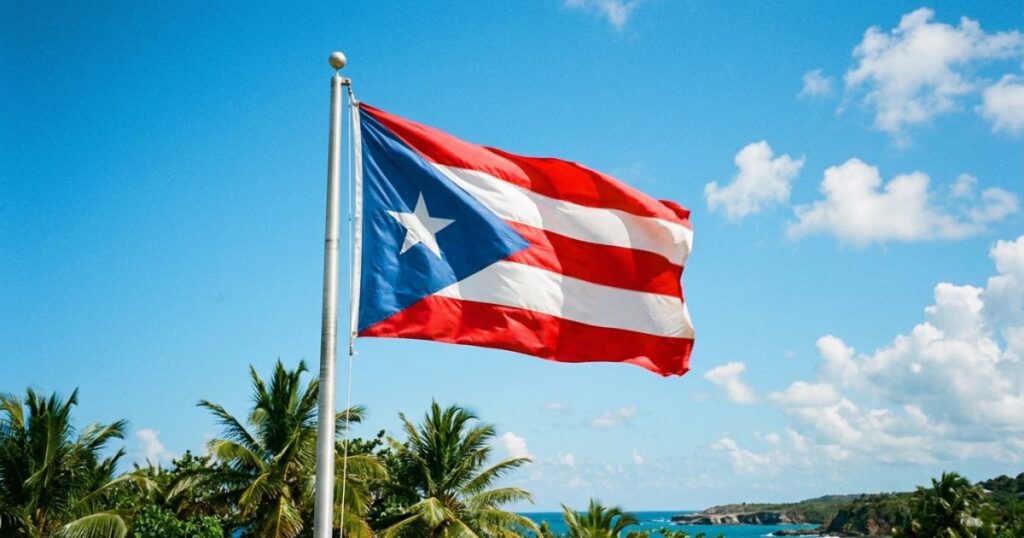
Visual: Five alternating red and white horizontal stripes, a blue equilateral triangle on the left, a large white star at its center. Meaning: The red stripes represent the blood of brave warriors. The white stripes represent victory and peace. The blue triangle represents the sky and the three branches of government. The white star represents the island itself — Puerto Rico, shining within its sky. Origin: Designed in 1895 by Puerto Rican revolutionaries in New York City, modeled on the Cuban flag with colors reversed. It became a symbol of independence and resistance. Modern use: Government buildings, cultural celebrations, tattoos, diaspora identity, political protest.
3. The Taíno Sun Symbol
Visual: A circular face with radiating lines — often carved in stone or rendered as jewelry. Meaning: Life force, divine energy, the sun god’s power to sustain all living things. Origin: Ancient Taíno petroglyphs — the sun symbol appears across Puerto Rico’s rock carvings as one of the most frequently used sacred images. Modern use: Jewelry, tattoos, spiritual art, cultural merchandise.
4. The Royal Palm Tree
Visual: A tall, slender palm with a distinctive swollen base and feathery crown. Meaning: Strength, grace, and the endurance of the Puerto Rican people — bending in hurricanes but never breaking. Origin: The royal palm tree is Puerto Rico’s official national tree, chosen for its beauty and its prevalence across the island’s landscape. Modern use: Cultural art, landscape symbolism, national identity.
5. The Hibiscus Flower (Flor de Maga)
Visual: A large five-petaled flower in deep red, also found in pink and white. Meaning: Beauty, femininity, natural abundance, the pride of island life. Origin: The hibiscus flower — specifically the Thespesia grandiflora (Flor de Maga) — is Puerto Rico’s official national flower. It blooms year-round, a symbol of the island’s perpetual vitality. Modern use: Fashion, gardens, tattoos, cultural celebrations.
6. The Puerto Rican Spindalis
Visual: A medium-sized bird with striking orange, black, and white plumage. Meaning: The natural beauty and biodiversity of Puerto Rico — the island’s living color made visible. Origin: The spindalis bird (Puerto Rican Spindalis) is the island’s official national bird, chosen for its striking appearance and its status as native to Puerto Rico. Modern use: Environmental awareness, cultural branding, educational materials.
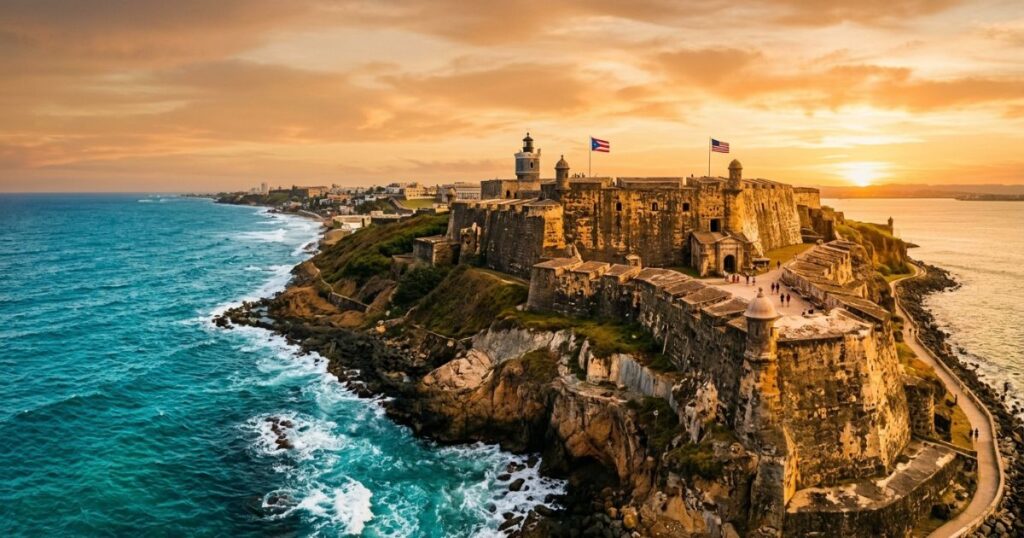
7. El Morro Fortress
Visual: A massive stone fortress on a dramatic cliff overlooking the Atlantic Ocean. Meaning: Endurance, the complexity of Puerto Rican history, the coexistence of colonial history and island identity. Origin: El Morro (Castillo San Felipe del Morro) was built in the 16th century by Spanish colonizers to defend against naval attack. It survived hundreds of years of attempted invasion. Modern use: UNESCO World Heritage Site, national pride, Puerto Rico’s most photographed landmark.
8. The Vejigante Mask
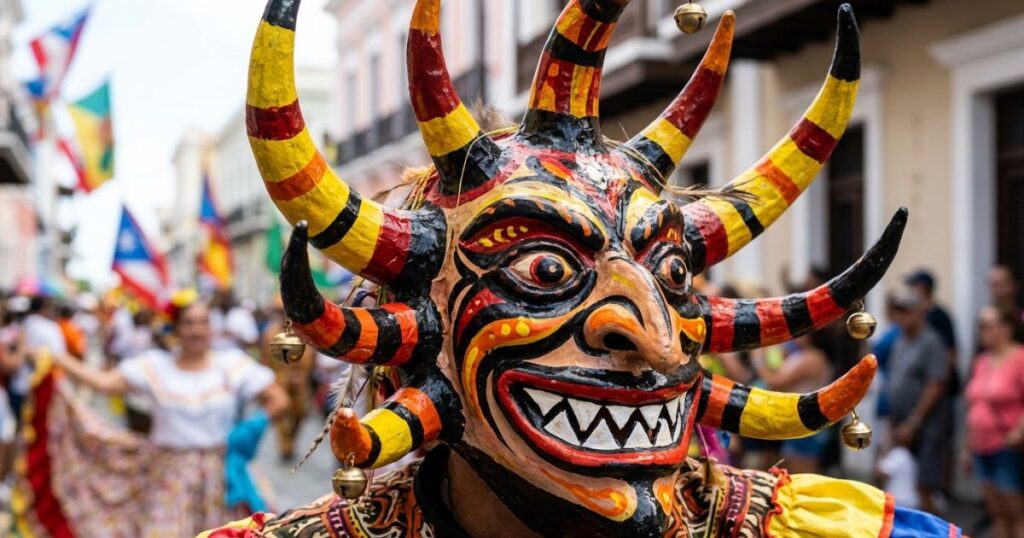
Visual: A brightly colored paper-mâché mask with multiple horns — sometimes dozens — in vivid yellows, reds, and blacks. Meaning: Transformation, the masking of identity, the African spiritual tradition of embodying spirits through costume. Origin: The vejigante tradition blends African heritage, Spanish Catholic festival culture, and Caribbean creativity. The masks are made for the Ponce Carnival and Loíza Festival — two of Puerto Rico’s most important cultural celebrations. Modern use: Cultural festivals, art installations, tattoos representing Caribbean identity.
9. The Taíno Spiral
Visual: A swirling circular pattern radiating from a center point. Meaning: Life cycles, the connection between past and future, the continuity of the Taíno spirit across time. Origin: Found in petroglyphs across Puerto Rico — the spiral was a sacred Taíno symbol representing the eternal nature of existence. Modern use: Tattoos, jewelry, contemporary indigenous art.
10. The Bomba Drum
Visual: A large barrel drum played with hands. Meaning: The heartbeat of African heritage in Puerto Rican culture — resistance made musical, community made audible. Origin: Brought by enslaved Africans from West Africa, the bomba drum became a vehicle for cultural preservation and communication. Its rhythms encoded messages, preserved traditions, and built community under oppression. Modern use: Cultural festivals, music education, symbol of Afro-Puerto Rican identity.
11. The Coat of Arms of Puerto Rico
Visual: A green border with castle, lion, lambs, crosses, and the letters F and I (for Ferdinand and Isabella). Meaning: The oldest continuously used coat of arms in the Americas — a symbol of Puerto Rico’s formal recognition as a distinct territory. Origin: Granted by the Spanish Crown in 1511, making it one of the earliest heraldic symbols in the Western hemisphere. Modern use: Official government documents, institutional use, historical symbolism.
12. The Zemi Figure
Visual: A small carved figure, often triangular, made from stone, wood, or shell. Meaning: Ancestral spirit, divine protection, the bridge between the living and the spiritual world. Origin: Zemis were the central sacred objects of Taíno spiritual practice. Each family kept a zemi representing their protective ancestor. Modern use: Museum collections, cultural art, tattoos honoring indigenous heritage.
13. The Ceiba Tree
Visual: A massive tropical tree with buttress roots that can spread wider than a house. Meaning: The world tree — connecting earth and sky, the living and the ancestral. Origin: In Taíno cosmology, the ceiba was the tree of life. In Spanish colonial Puerto Rico, ceiba trees marked town plazas. In Afro-Caribbean spiritual traditions, the ceiba is a sacred tree hosting protective spirits. Modern use: Environmental symbolism, spiritual practice, cultural identity.
14. The Flamboyán Tree
Visual: A spreading tree that explodes into flame-red flowers each summer. Meaning: Passionate beauty, island pride, the dramatic natural abundance of the Caribbean. Origin: Though not originally native to Puerto Rico, the Flamboyán became deeply embedded in Puerto Rican identity over centuries. Its red flowers are inseparable from the Puerto Rican summer in cultural memory. Modern use: Art, poetry, tattoos, national nostalgia.
15. The Star on the Flag (La Estrella Solitaria)
Visual: A single white five-pointed star on blue. Meaning: Puerto Rico itself — shining, independent, singular. Origin: La Estrella Solitaria is the emotional center of the Puerto Rican flag — the point to which all meaning converges. Modern use: Jewelry, tattoos, diaspora identity, protest symbolism.
Taíno Symbols — The Sacred Language of the First People
The Taíno people were not a vanished civilization.
Their genetic heritage, their cultural practices, and their symbols persist in Puerto Rico today — in the faces of the people, in the names of towns and rivers, in the petroglyphs that still exist on rock faces across the island, visited by archaeologists and descendants alike.
Taíno symbols were functional. They were not decorative art created for aesthetics alone — they were communication with the sacred world.
Zemis — the carved ancestor figures — were consulted through ceremony and ritual. They were fed offerings, spoken to, and carried into battle. Each family’s zemi carried the specific power of that family’s ancestral lineage.
The Taíno sun symbol represented Yúcahu, the supreme deity associated with the sun and the fertility of the earth. The sun symbol appears carved above cave entrances, on ceremonial stones, and on objects used in ritual.
The coqui itself had spiritual significance in Taíno tradition — its call marked the transition between day and night, between the human world and the spirit world.
Many contemporary Puerto Ricans seek to reconnect with this indigenous heritage through tattoos, art, ceremony, and the careful study of surviving petroglyphs. It is an act of recovery — reclaiming a language that colonization attempted to erase.
Puerto Rican Symbols Across Cultures and History
Puerto Rican symbols do not exist in isolation. They are a conversation between three civilizations and four centuries.
In Taíno culture, symbols were sacred and directly functional. Every carving was a communication with the divine.
In Spanish colonial culture, symbols became political and religious. The coat of arms, the cathedral, and the cross represented authority — but also became vessels for the island’s own identity to persist within.
In African heritage culture, symbols were embodied and performed. The bomba drum, the vejigante mask, the movement of the body in ceremony — these were the symbols of a people who encoded their survival in living expression rather than carved stone.
In the modern diaspora — particularly in New York City, where more Puerto Ricans live than in San Juan itself — these symbols became identity anchors. A coqui tattoo on an arm in the Bronx says: I am from somewhere. I carry it with me. It is not lost.
Puerto Rican Symbols in Art, Tattoos and Pop Culture
Puerto Rican symbols are everywhere in contemporary creative culture.
Tattoos are perhaps the most personal form of symbol use. Puerto Rican tattoo culture is rich and meaningful — the Puerto Rican flag on a forearm, the coqui frog on a shoulder, the Taíno sun on a chest, the flamboyán tree on a full sleeve. Each tattoo is a statement: I know where I come from. I carry it in my skin.
Murals across Puerto Rico and Puerto Rican neighborhoods worldwide use these symbols to claim space — to make invisible histories visible. The murals of Santurce, Puerto Rico’s arts district, translate the island’s symbols into modern visual language.
Music carries symbolic weight in Puerto Rico. Bomba rhythms encode West African heritage. Salsa — developed partly in New York’s Puerto Rican community — became a symbol of resilience and creative power.
Fashion uses the Puerto Rican flag, coqui imagery, and Taíno patterns in ways that have moved from subcultural expression into global trend.
Film and literature from Puerto Rican creators consistently use these symbols as emotional shorthand — the sound of a coqui in the background of a scene, a glimpse of a hibiscus through a window, the sight of a vejigante mask at carnival.
Spiritual Meaning of Puerto Rican Symbols
Many Puerto Rican symbols carry active spiritual significance — not as historical artifacts but as living tools for protection, guidance, and connection.
Zemi figures are still made and used in Puerto Rican spiritual practice, both within Taíno cultural revival movements and in syncretic spiritual traditions that blend Taíno, Catholic, and Afro-Caribbean elements.
Protection symbols derived from Taíno carvings — particularly those depicting zemis and sun figures — are used in amulets, jewelry, and home objects as protective presence.
The ceiba tree remains spiritually significant in Afro-Caribbean traditions — a living portal between worlds, whose roots go down into the realm of ancestors and whose branches reach toward the divine.
The vejigante mask spiritually represents the power of transformation — putting on the mask is an act of becoming something larger than your everyday self, of carrying ancestral spirit forward into the present.
Positive vs Shadow Meanings — The Full Truth
| Symbol | Light Meaning | Shadow Meaning |
| Puerto Rican Flag | Freedom, unity, national pride | Political tension, debates over statehood vs independence |
| Coqui Frog | Home, belonging, identity | Displacement — homesickness for those far from the island |
| Taíno Symbols | Indigenous heritage, resilience | Painful reminder of near-cultural genocide through colonization |
| Vejigante Mask | Transformation, Afro-Caribbean pride | Historical complexity of masking and hidden identity during colonial period |
| El Morro | National pride, endurance | Symbol of colonial military power and conquest |
| Spanish Coat of Arms | Historical identity, longevity | Colonial imposition, contested as national symbol by independence advocates |
The most honest thing about Puerto Rican symbols is that they hold contradictions.
A single flag can mean freedom to one person and occupation to another. A coqui can mean home to someone who has it, and devastating loss to someone far from it. This is not weakness in the symbols — it is their truth. They reflect real human experience in all its complexity.
FAQ — Puerto Rican Symbols
What is the most important Puerto Rican symbol?
The Puerto Rican flag and the coqui frog are both considered the most emotionally significant Puerto Rican symbols. The flag represents political identity and national pride. The coqui represents the emotional and spiritual connection to the island itself — homemade audible.
What do Taíno symbols represent?
Taíno symbols represent the spiritual worldview of Puerto Rico’s indigenous people — their gods (zemis), their understanding of nature, the cosmos, and the relationship between the living and the ancestral world. They were carved into stone as prayers, records, and spiritual communications.
What does the coqui symbolize in Puerto Rico?
The coqui represents home, pride, and irreplaceable belonging. It is the only frog species that cannot survive being transplanted to other climates — making it the perfect symbol for the idea that Puerto Rico is a place unlike any other, and that its people carry it within them wherever they go.
Are Puerto Rican symbols appropriate for tattoos?
Yes, with understanding and respect. Puerto Rican symbols in tattoos carry deep cultural and personal meaning — particularly for people with Puerto Rican heritage. The most commonly chosen tattoo symbols include the flag, the coqui, Taíno sun symbols, the hibiscus, and vejigante mask imagery.
What is the spiritual significance of Taíno symbols?
Taíno symbols — particularly zemi figures and sun carvings — were spiritually active objects. They represented ancestral spirits and divine forces, and were used in ceremony, ritual, and daily life as channels of connection between the human and sacred worlds.
Why are Puerto Rican symbols important to the diaspora?
For Puerto Ricans living far from the island — particularly in New York, Florida, and other mainland US cities — symbols function as identity anchors. A coqui tattoo or a Puerto Rican flag in a window communicates: I am from somewhere specific. That somewhere still lives in me.
What is the Taíno sun symbol meaning?
The Taíno sun symbol represents life force, divine energy, and the power of Yúcahu — the supreme Taíno deity associated with the sun and the fertility of the earth. It is one of the most frequently appearing images in Puerto Rican petroglyphs and remains one of the most used symbols in contemporary Puerto Rican cultural art and tattoos.
Read More: 119+ Spiritual Symbols and Meanings — The Complete Guide for 2026
Puerto Rican Symbols Are a Living Story
The coqui is still calling.
Somewhere in the mountains of Puerto Rico tonight, in the humid darkness under palm canopy, thousands of tiny frogs are singing the same song they have sung since before the island had a name any European would recognize.
Puerto Rican symbols carry that kind of depth. They are not relics of a past that ended. They are living expressions of an identity that has survived colonization, displacement, economic crisis, and hurricane — and has emerged from each trial not broken but richer, stranger, and more itself.
When you understand Puerto Rican symbols — truly understand them, not just their names but their weight — you begin to understand something larger. That identity is not fragile. That cultures do not die simply because empires try to erase them. That a sound, a flower, a carved sun face in volcanic rock can carry an entire civilization forward across centuries.
Explore more Puerto Rican symbols and their meanings at Symbolefy — where cultural heritage meets modern understanding.

Muhammad Shoaib is a passionate content writer and symbolism researcher at TrendyMegzine.com, where he explores the hidden meanings behind symbols, spiritual signs, ancient traditions, dream interpretations, and cultural symbolism.