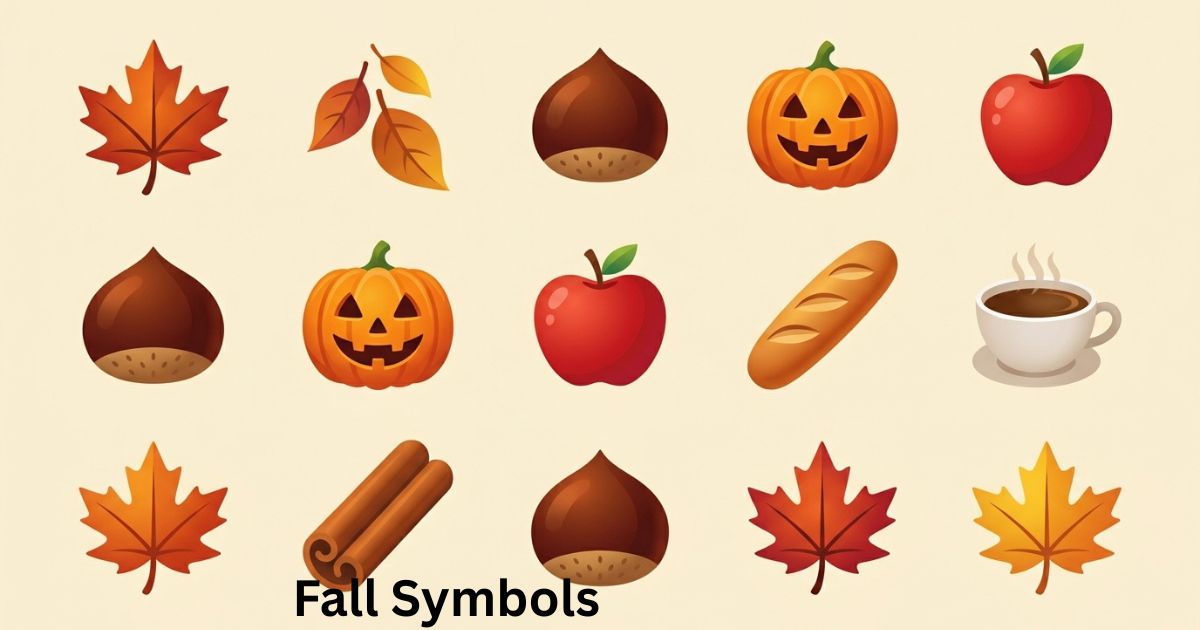
45+ Stunning Fall Symbols | The Hidden Meanings of Autumn That Speak to the Human Soul
There is a moment every autumn when you feel the season before you see it. The air cools slightly. The light turns golden and low. Something quiet shifts inside you, and you’re not sure why.
Fall symbols are nature’s oldest emotional language. They don’t just decorate the season — they speak directly to the human soul about change, release, gratitude, and the raw beauty of endings. Across every culture, every century, and every continent, people have looked at autumn symbolism and seen themselves: in the leaf that let’s go, in the harvest gathered before the frost, in the moon rising fat and orange over a cooling earth.
This guide goes deeper than most. We’re not just listing symbols. We’re explaining why they move you — psychologically, spiritually, and culturally.
What Are Fall Symbols?
Fall symbols are natural, cultural, and visual elements tied to the autumn season that carry layered meaning around transition, harvest, maturity, and impermanence. They aren’t just pretty icons — they are emotional shorthand built over thousands of years of human experience.
The earliest fall symbols emerged from agrarian societies that lived and died by the harvest cycle. When crops came in, people celebrated. When the light faded, people prepared. Autumn marked the line between abundance and survival, and every element of the season became symbolic — the color of a leaf, the shape of a gourd, the sound of wind through a bare field.
Today, we carry those symbols forward almost unconsciously. We carve pumpkins without thinking about ancient protection rituals. We collect acorns without remembering their Celtic meaning of hidden potential. We photograph changing leaves without knowing we’re participating in thousands of years of human reflection.
Understanding these symbols doesn’t diminish their beauty. It deepens it.
Why Do Fall Symbols Move Us So Deeply?
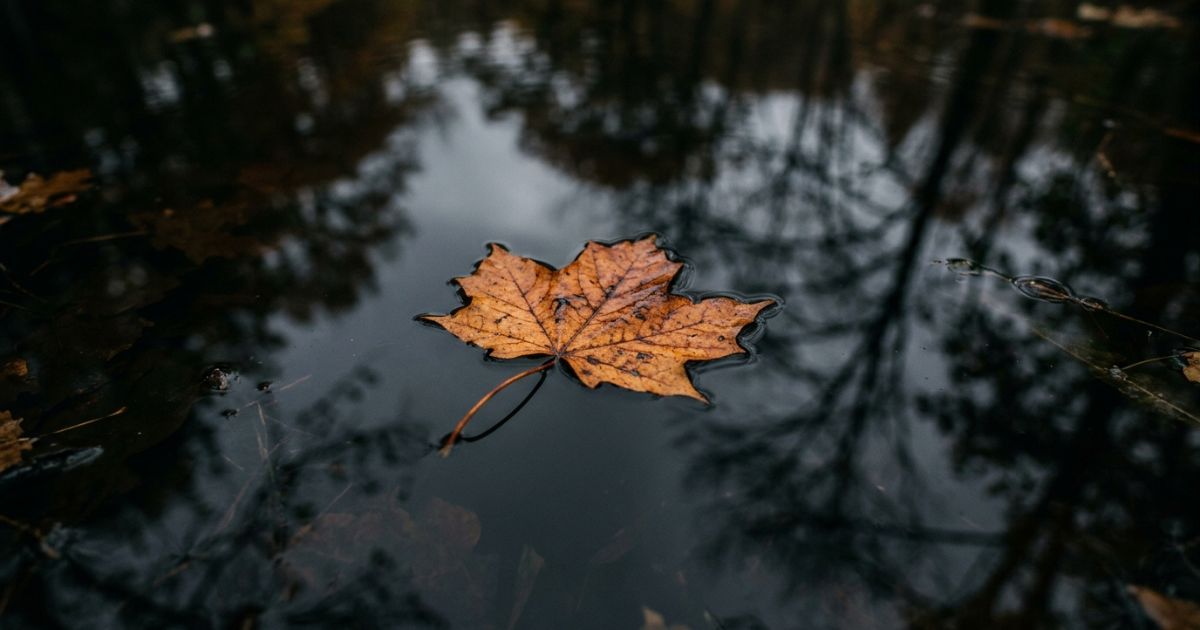
Psychologists have a term for what autumn triggers: productive melancholy. It’s that bittersweet feeling — not sadness exactly, but a kind of tender awareness that time is passing and that beauty lives inside impermanence.
Fall symbols amplify this feeling because they are honest. They don’t promise eternal bloom. They show you gold and red, then release it all. There’s something profoundly validating about that. When the world around you is letting go, you feel permission to let go too.
Neurologically, the shorter days of seasonal transition trigger shifts in serotonin and melatonin, nudging the brain toward reflection and introspection. Autumn literally makes you think more deeply. And in that depth, symbols land harder.
This is why autumn imagery dominates poetry, film, and emotional turning points in storytelling. It’s not aesthetic coincidence. It’s biology and culture working together.
The Most Powerful Fall Symbols and Their Meanings
Here are the most significant fall symbols, decoded with their full cultural, spiritual, and psychological weight.
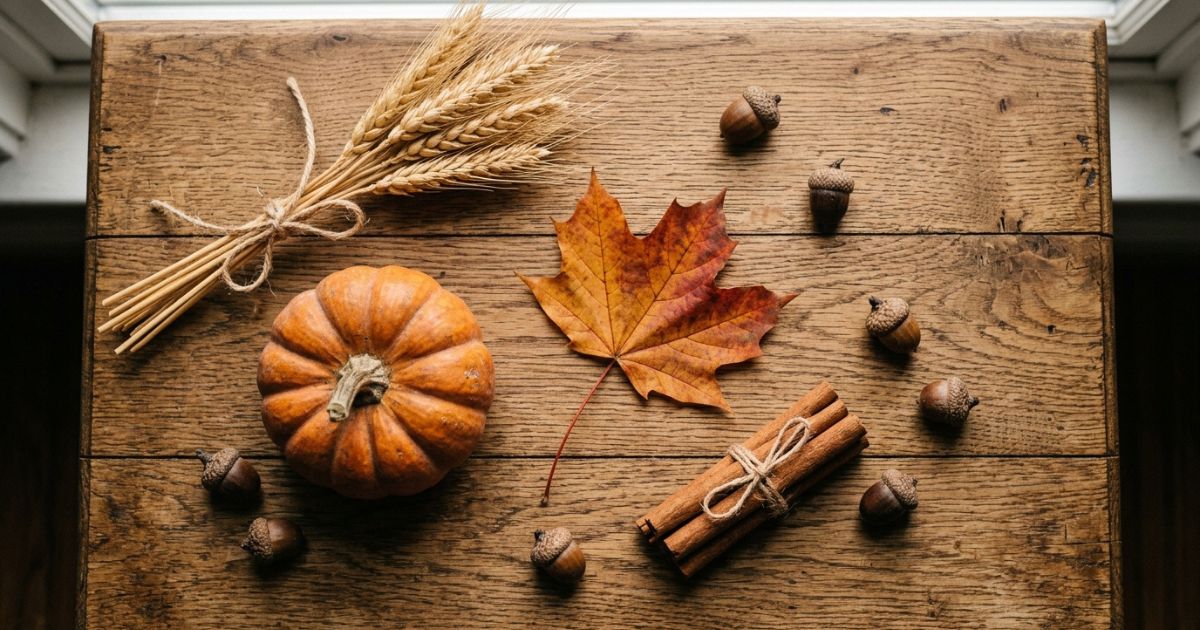
1. Falling Leaves — The Symbol of Letting Go
No fall symbol is more universally understood than changing leaves. Red, orange, and gold — they’re nature’s final performance before winter.
Meaning: Release, impermanence, transformation, the beauty of endings Spiritual significance: In Buddhist philosophy, falling leaves represent non-attachment. In Celtic traditions, they marked the soul’s readiness to pass between worlds. Psychological meaning: Watching leaves fall triggers a subconscious acknowledgment that holding on causes suffering. The tree doesn’t mourn its leaves. It simply releases. Modern use: Tattoos, autumn photography, journaling prompts, grief rituals, seasonal decor
The leaf does not fall because it failed. It falls because it is finished — and that is enough.
2. The Pumpkin — Abundance, Protection, and the Harvest
The pumpkin is one of the most recognizable fall symbols worldwide. But its meaning goes much deeper than Halloween decor.
Meaning: Abundance, fertility, protection, the harvest cycle Origin: Native American and Mesoamerican cultures revered squash and gourds as life-sustaining crops. The jack-o’-lantern tradition came later — carved faces were meant to ward off malevolent spirits during the Celtic Samhain festival. Cultural range: In the American tradition, pumpkins represent harvest abundance. In Ireland, they were originally carved turnips. In Japan, eating pumpkin on the winter solstice is said to bring good luck and health. Modern use: Harvest decor, Halloween tradition, seasonal cooking, farmer’s markets
3. The Acorn — Small Potential, Enormous Future
The acorn is one of the most quietly powerful fall symbols.
Meaning: Potential, patience, strength hidden in small things Origin: In Celtic symbolism, the oak tree was sacred — a symbol of endurance and divine connection. The acorn, as the seed of the oak, represented latent power waiting for the right moment. Spiritual significance: “From small acorns, mighty oaks grow” isn’t just a saying — it’s a spiritual teaching about trusting the process. Modern use: Jewelry, tattoos, nursery decor, philosophical metaphors
4. The Scarecrow — Guardian of the Threshold
Few fall symbols are as culturally layered as the scarecrow.
Meaning: Protection, guardianship, the boundary between wild and cultivated worlds Origin: Ancient civilizations from Egypt to Japan used human-shaped figures in fields to protect crops from birds. Over time, scarecrows became symbols of the liminal — standing at the edge of fields, between the human world and the wild. Psychological angle: The scarecrow is a fascinating symbol of fear used protectively. It doesn’t destroy threats — it deters them through presence alone. Modern use: Rural decor, Halloween iconography, films and folklore
5. Harvest Sheaves (Wheat and Corn) — Reward After Effort
Bundled corn sheaves and wheat stalks are ancient fall symbols tied to the oldest human story: work, patience, and reward.
Meaning: Gratitude, survival, the reward of sustained effort Origin: In ancient religious ceremonies across Egypt, Greece, and Mesoamerica, the first harvest cutting was sacred. The last bundle of wheat — called the “corn dolly” in British folk tradition — was kept through winter as a vessel for the harvest spirit. Cultural range: Thanksgiving, Sukkot, Pagan harvest festivals, Chinese Mid-Autumn Festival Modern use: Seasonal decor, religious ceremonies, Thanksgiving imagery
6. The Harvest Moon — Fullness Before the Dark
The harvest moon — the full moon closest to the autumn equinox — is one of nature’s most breathtaking fall symbols.
Meaning: Abundance, illumination, the final push before winter’s rest Origin: Farmers relied on its bright light to work after sunset, completing the harvest before frost. It became a symbol of collective effort and natural generosity. Spiritual significance: Many traditions see the harvest moon as a time for gratitude rituals, releasing what no longer serves, and honoring cycles completed. Modern use: Moon ceremonies, autumn photography, seasonal calendars
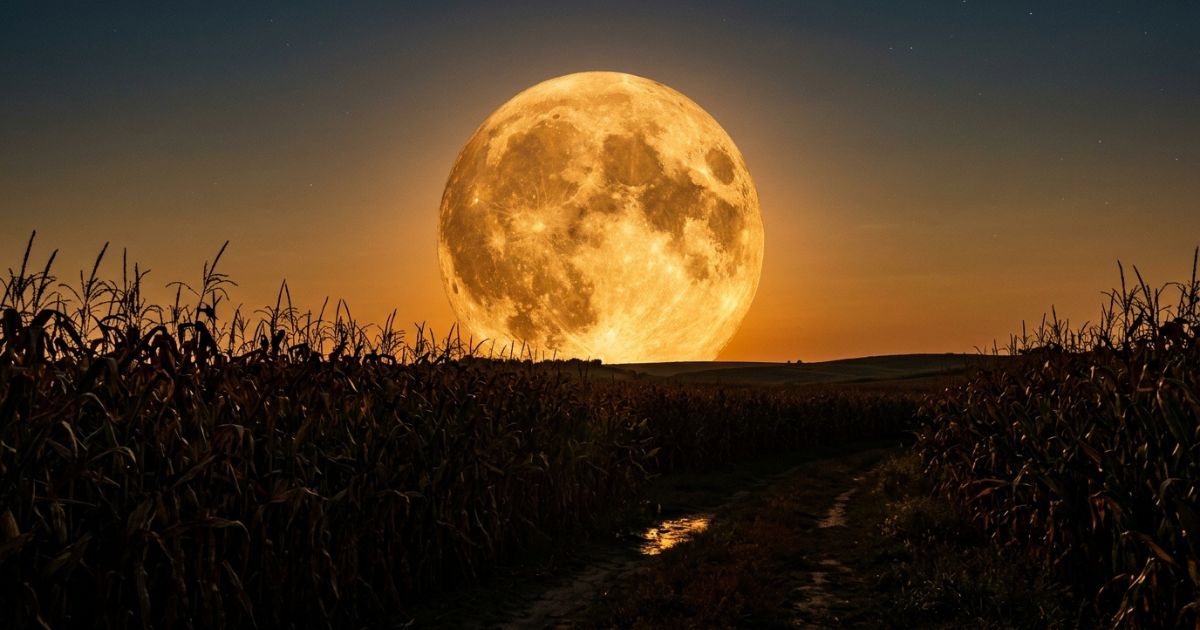
7. The Bare Tree — Strength Without Ornament
By mid-autumn, trees begin to stand bare. This is one of the most underappreciated fall symbols.
Meaning: Core strength, vulnerability, the beauty of what remains when everything else is stripped away Psychological depth: A bare tree is still a tree. Its roots go deep. The loss of leaves doesn’t diminish it — it reveals its true structure. This mirrors the human experience of loss: what remains after letting go is often stronger than it looked.
8. Mushrooms — Hidden Networks, Quiet Magic
Mushrooms emerge in autumn’s damp, and in many traditions they are mystical fall symbols.
Meaning: Hidden connection, transformation, the unseen world Origin: In European folklore, mushroom rings were called “fairy rings” — portals to other realms. Modern science has revealed the mycelium network beneath forests as a real communication web between trees, making the folklore metaphorically accurate. Spiritual significance: Mushrooms represent the idea that what’s most powerful often grows unseen.
9. Apples — Knowledge, Temptation, and the Harvest
The apple carries one of the richest symbolic histories of any fall symbol.
Meaning: Knowledge, temptation, health, abundance, the otherworld Origin: From the Garden of Eden to Norse mythology’s golden apples of immortality to the Celtic Avalon (literally “isle of apples”), the apple spans almost every major spiritual tradition. Modern use: Apple picking as autumn ritual, bobbing for apples at Halloween (originally a divination practice), harvest decor
10. The Spider Web — Intricate Work, Patient Creation
Morning dew reveals spider webs in autumn fields — one of fall’s most delicate symbols.
Meaning: Patience, creativity, the interconnectedness of all things Cultural significance: In Native American traditions, the spider (often Grandmother Spider) is a creator figure. Webs represent the interconnected web of life itself.
11. The Crow — Intelligence at the Edge of Worlds
The crow is one of autumn’s most powerful animal fall symbols.
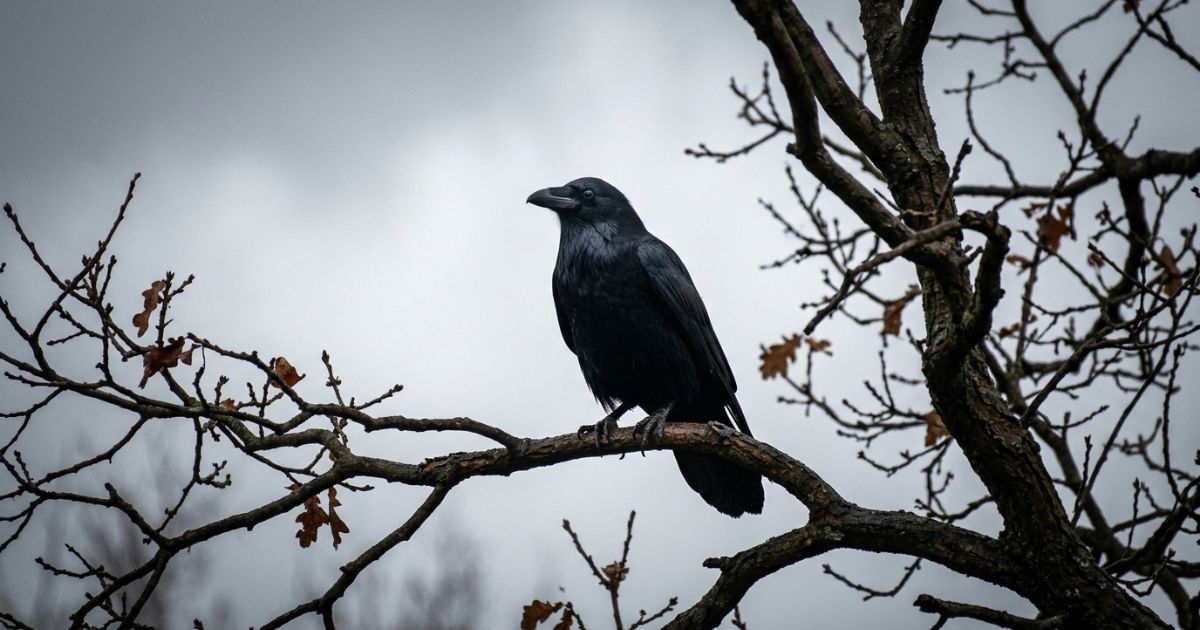
Meaning: Intelligence, mystery, the boundary between the living and the dead Origin: Crows are associated with Samhain and the thinning of the veil between worlds. Their black feathers and sharp intelligence made them symbols of the liminal — creatures comfortable between the visible and invisible.
12. Fog and Mist — The Sacred Unknown
Autumn mornings bring fog. And in nearly every culture, mist is one of the most evocative fall symbols.
Meaning: Mystery, transition, the space between knowing and not knowing Spiritual significance: In Celtic mythology, fog marked the passage to the Otherworld. Psychologically, mist represents comfortable uncertainty — the willingness to move forward without full visibility.
Fall Symbols Across World Cultures
Fall symbols don’t belong to one culture. They emerge everywhere humans have lived through seasons.
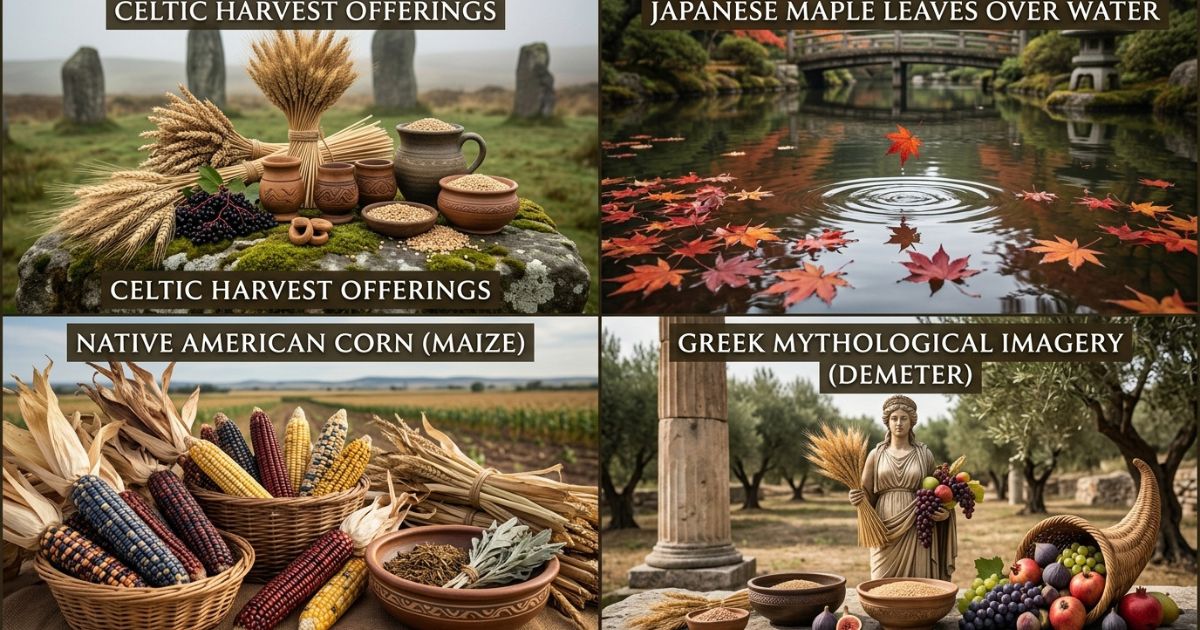
Ancient Celtic Culture Autumn centered on Samhain (October 31–November 1), the most sacred date of the Celtic year. Fall symbols here included bonfires, animal bones, carved turnips, and offerings for ancestors. The harvest was complete; the veil between worlds was thin.
Ancient Greece Greek autumn was inseparable from the myth of Demeter and Persephone. When Persephone descended to the underworld, Demeter’s grief caused the world to go cold. Autumn was grief, yes — but also the promise of return. This myth encoded seasonal transition as a story of love, loss, and cyclical renewal.
East Asian Traditions In China and Japan, fall symbols center on the moon and the maple leaf. The Mid-Autumn Festival celebrates family reunion under the harvest moon. In Japan, momiji (maple leaf viewing) is a beloved ritual — people travel specifically to witness the changing leaves, finding beauty in impermanence, a central Buddhist concept.
Native American Traditions Autumn meant gratitude and preparation. Corn sheaves, squash, and the three sisters (corn, beans, squash) were sacred fall symbols representing life, interdependence, and respect for the earth’s gifts.
Medieval Europe Autumn in medieval art symbolized the third age of man — mature, reflective, tinged with awareness of mortality. It was depicted in illuminated manuscripts alongside scenes of harvest labor and the passing year.
Fall Symbols in Literature and Art
Autumn has seduced writers and artists for centuries. And the fall symbols they reach for reveal what the season really means.
In Keats’s Ode to Autumn, the season is a sensory cathedral — mists, ripeness, harvest, and the wistful acceptance of change. In Shakespeare, autumn represents middle age and mature wisdom, neither young nor yet dying.
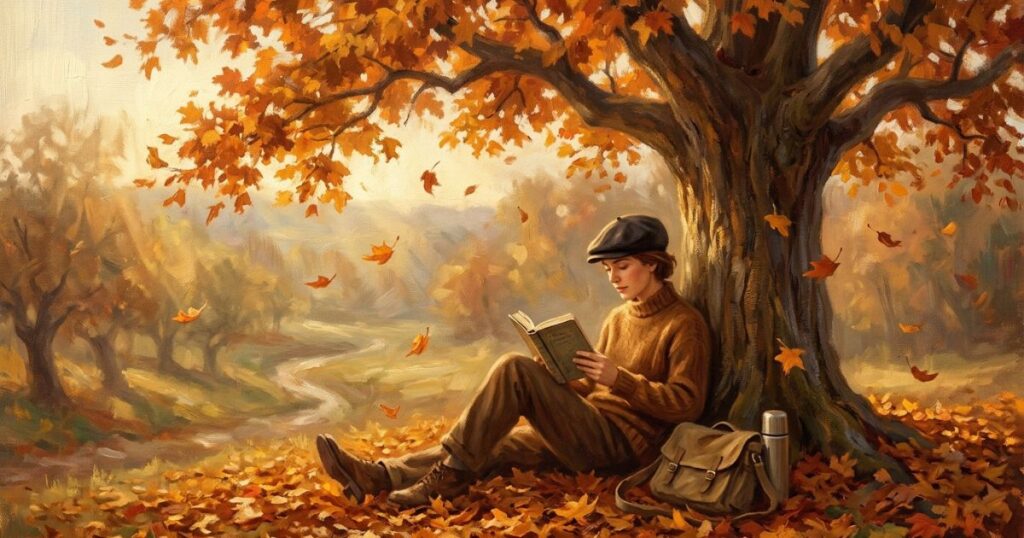
In film, autumn scenes consistently mark emotional turning points. The first fall of leaves signals a character’s internal shift. Directors use autumn symbolism not because it’s beautiful (though it is), but because audiences have been conditioned by centuries of cultural meaning to feel it instantly.
In visual art, changing leaves and harvest imagery appear in everything from 19th-century Impressionist paintings to contemporary tattooing. Fall symbols endure because they encode truths that never go out of style: that beauty is inseparable from transience, and that endings contain beginnings.
Spiritual and Dream Meaning of Fall Symbols
When fall symbols appear in dreams, they often carry urgent subconscious messages.
Falling leaves in dreams: Signal emotional release, closure, or readiness to move on from something that has run its course.
Harvest imagery: Often signals that something you’ve worked toward is ready to be received — an achievement, relationship, or personal transformation.
Bare trees in dreams: Represent stripped-down truth. What remains when pretense is gone? The dream is asking you to see clearly.
Fog or mist: Suggests you’re in a transition period. You don’t need to see the whole path — only the next step.
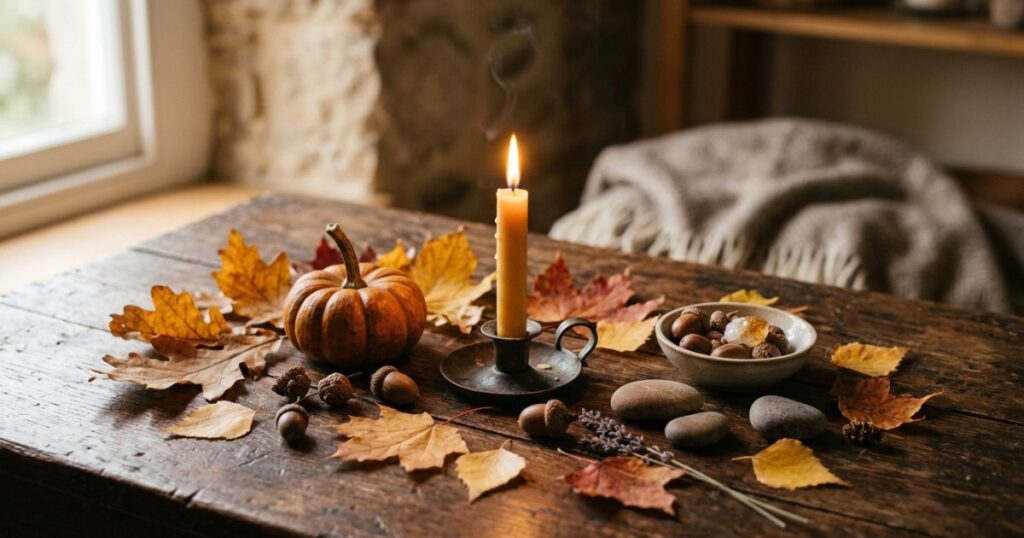
Spiritually, many traditions treat autumn as a time for releasing what no longer serves, honoring what has been, and preparing internally for the rest and renewal of winter. Fall symbols in spiritual practice often appear in altar offerings, meditation imagery, and seasonal rituals.
Positive vs. Negative Meanings — The Full Spectrum
One of the reasons fall symbols are so emotionally complex is that they carry both light and shadow. This isn’t a weakness — it’s their power.
| Symbol | Positive Meaning | Shadow Meaning |
| Falling Leaves | Transformation, release | Loss, impermanence |
| Pumpkin | Abundance, protection | Fear (Halloween) |
| Bare Tree | Core strength | Vulnerability, exposure |
| Crow | Intelligence, mystery | Death omen (folklore) |
| Fog | Sacred transition | Confusion, uncertainty |
| Harvest | Gratitude, reward | Anxiety about scarcity |
| Acorn | Potential, patience | Smallness, overlooked |
Fall symbols hold both truths because human life holds both truths. The season is honest in a way that summer never is.
Fall Symbols as Text, Emoji, and Design Elements
Modern culture has translated ancient fall symbols into the digital language of emoji and design.
Popular fall symbol emoji: 🍂 (falling leaves) — impermanence, seasonal mood 🍁 (maple leaf) — autumn identity, Canadian symbolism 🎃 (pumpkin) — Halloween, harvest season 🌰 (chestnut/acorn) — patience, potential 🍎 (apple) — harvest, knowledge 🕯️ (candle) — warmth, Samhain, cozy autumn mood
Aesthetic fall emoji combos: 🍁🍂☕📚 — cozy reading autumn 🎃🕯️🍎🌙 — mystical Halloween night 🌾🍂🦃 — harvest thanksgiving mood
For designers: Fall symbols PNG files (transparent backgrounds) featuring leaves, pumpkins, and harvest elements are staples of seasonal graphic design. They work in blog headers, social media templates, Etsy shop graphics, and seasonal branding.
Read More: One Piece Symbols | Hidden Meanings, Deep Secrets and the Powerful Messages Behind Them
Conclusion: Why Fall Symbols Will Always Matter
Fall symbols endure because they are honest. They don’t ask you to feel joy. They show you gold and red and amber, and then they let go — and somehow that’s more beautiful than anything that holds on.
Autumn teaches the hardest and most necessary human lesson: that endings aren’t failures. They are fulfillments.
When you see a maple leaf fall, a pumpkin on a porch, or a harvest moon rising over a dark field, something ancient in you recognizes the language. You’ve been reading these fall symbols your whole life. Now you know what they’ve always been saying.

Muhammad Shoaib is a passionate content writer and symbolism researcher at TrendyMegzine.com, where he explores the hidden meanings behind symbols, spiritual signs, ancient traditions, dream interpretations, and cultural symbolism.