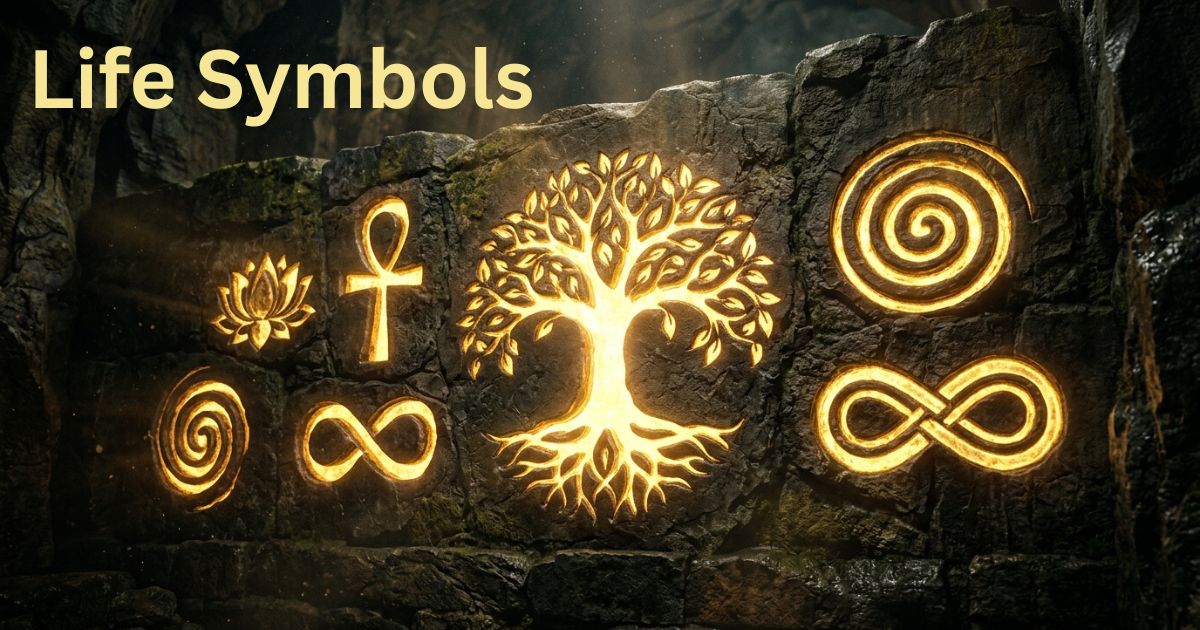
83+ Powerful Life Symbols and Their Deep Meanings
Every culture that ever existed created life symbols — and that is not a coincidence. From the cave walls of ancient civilizations to the tattoos on modern skin, life symbols have carried the same timeless message for thousands of years: existence has meaning, growth is possible, and nothing truly ends.
In this guide, you will explore 83+ symbols of life from across the globe. You will discover what each symbol represents, where it comes from, and why humans keep returning to these images generation after generation. Whether you are looking for a tattoo, researching symbolism, or simply curious, this is the most complete guide to life symbols available anywhere.
What Are Life Symbols?
Life symbols are visual signs, shapes, or objects that represent the essence of existence — growth, renewal, eternity, and the connection between the physical world and the spiritual one.
Before written language existed, humans used symbols to explain what words could not. Ancient peoples carved them into stone, painted them on temple walls, and wore them as sacred protection. These images answered the deepest questions of human life: Why am I here? What happens after death? How does life continue?
Today,Powerful life symbols appear in tattoos, jewelry, spiritual art, and everyday design. They speak across language barriers and connect people from completely different backgrounds through a shared visual language that has existed for thousands of years.
Core ideas that life symbols represent:
- Birth and creation
- Growth and personal transformation
- Renewal and rebirth
- Eternity and immortality
- Balance between opposites
Why Life Symbols Still Matter in 2026
You might wonder why ancient symbols still carry weight in a modern world. The answer is psychology, not superstition.
Humans are pattern-seeking creatures. The brain naturally attaches meaning to visual shapes, especially when those shapes have been associated with powerful emotions across centuries. When you see the Tree of Life, your mind connects it to roots, strength, family, and growth — not because you were taught a textbook definition, but because the symbol has been layered with that meaning for millennia.
Life symbols also serve a deeply personal function. People who survive illness, loss, or hardship often turn to life symbols to mark their experience. A phoenix tattoo after a difficult year. An ankh worn during grief. A lotus on the wrist of someone who has risen from a painful chapter. These are not decorations. They are declarations.
In a fast-moving world, life symbols offer something rare: permanence. And that is why they keep coming back.
The 7 Most Powerful Life Symbols and What They Mean
These are the life symbols most recognized across cultures and history. Each one has appeared in multiple civilizations independently, which speaks to their universal truth.
| Symbol | Origin | Core Meaning | Used In |
| Tree of Life | Universal | Growth, family, eternal connection | Celtic, Norse, Egyptian, Christian art |
| Ankh | Ancient Egypt | Eternal life, immortality | Temples, tombs, jewelry |
| Lotus Flower | Asia / Egypt | Rebirth, purity, spiritual growth | Buddhism, Hinduism, tattoos |
| Phoenix | Greece / China | Resurrection, transformation | Mythology, tattoos, literature |
| Infinity Symbol | Universal | Endless life, limitless love | Mathematics, jewelry, tattoos |
| Ouroboros | Egypt / Greece | Eternal cycle, rebirth, wholeness | Alchemy, spiritual art |
| Spiral | Celtic / Universal | Growth, life’s journey, evolution | Celtic art, nature, jewelry |
1. The Tree of Life
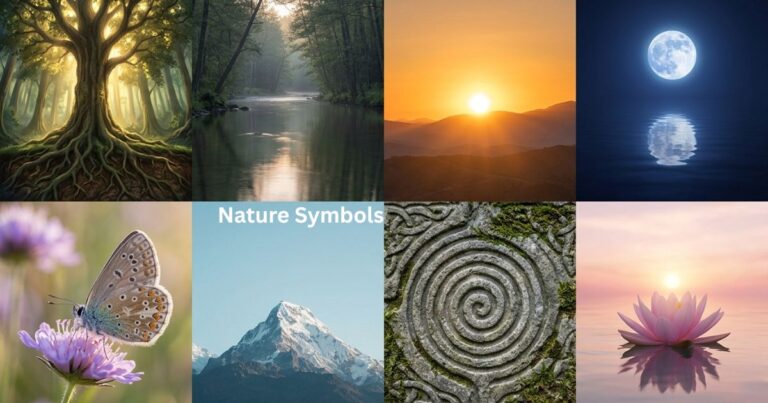
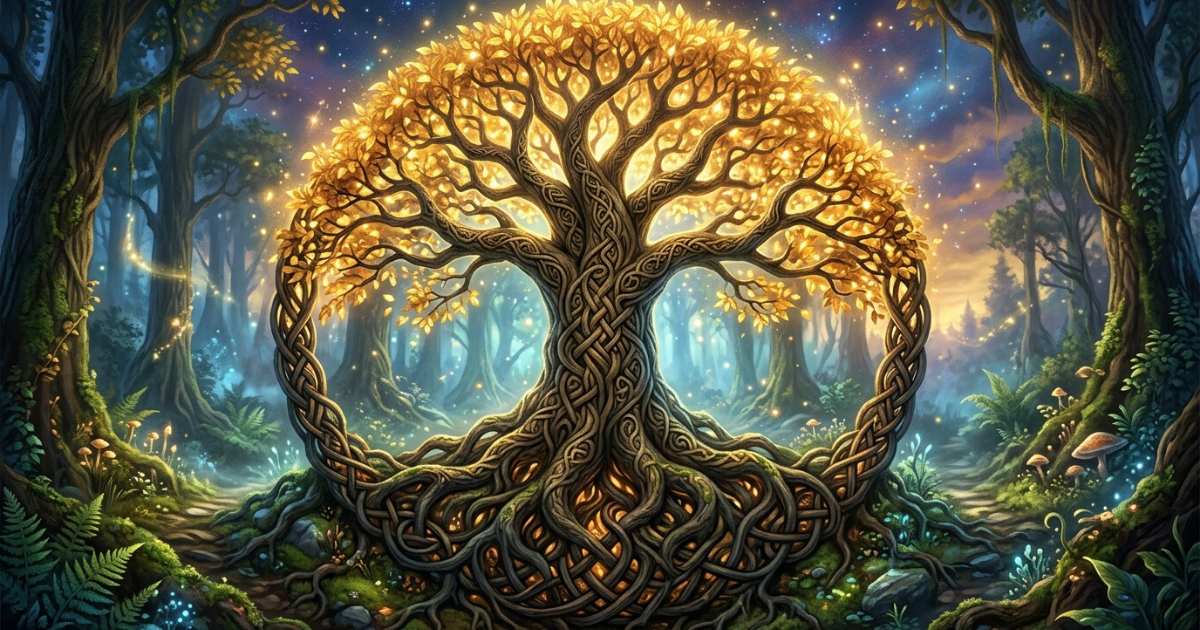
The Tree of Life is arguably the most recognized symbol of life on earth. It appears in Norse mythology as Yggdrasil, in Celtic spirituality as a sacred oak, in Judaism as the Etz Chaim, and in Egyptian cosmology as the Ished tree.
Its three parts carry distinct meaning. The roots anchor the symbol to ancestors, history, and the earth beneath us. The trunk represents strength, stability, and the present moment. The branches reach toward sky and future — toward growth and the unknown.
What makes the Tree of Life so powerful is that it shows everything at once: where you came from, where you stand, and where you are going.
2. The Ankh
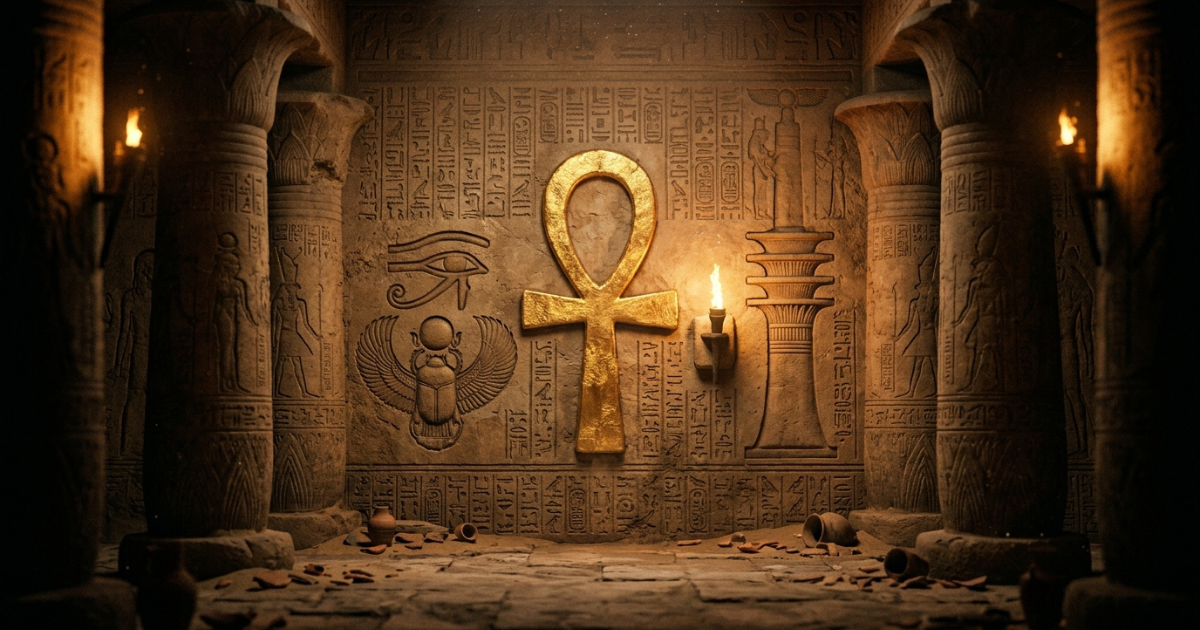
The Ankh is a cross with a loop at the top, and it is the most famous of all Egyptian Powerful life symbols. Egyptian gods were depicted holding it as a key — the key to eternal existence.
Its shape itself carries meaning. The loop represents the eternal soul, while the cross below represents the physical world. Together, they say that the spiritual and the material are inseparable.
3. The Lotus Flower
The lotus grows from muddy water and blooms into one of the most beautiful flowers in nature. That journey — from darkness into light, from depth into bloom — is exactly what this symbol represents.
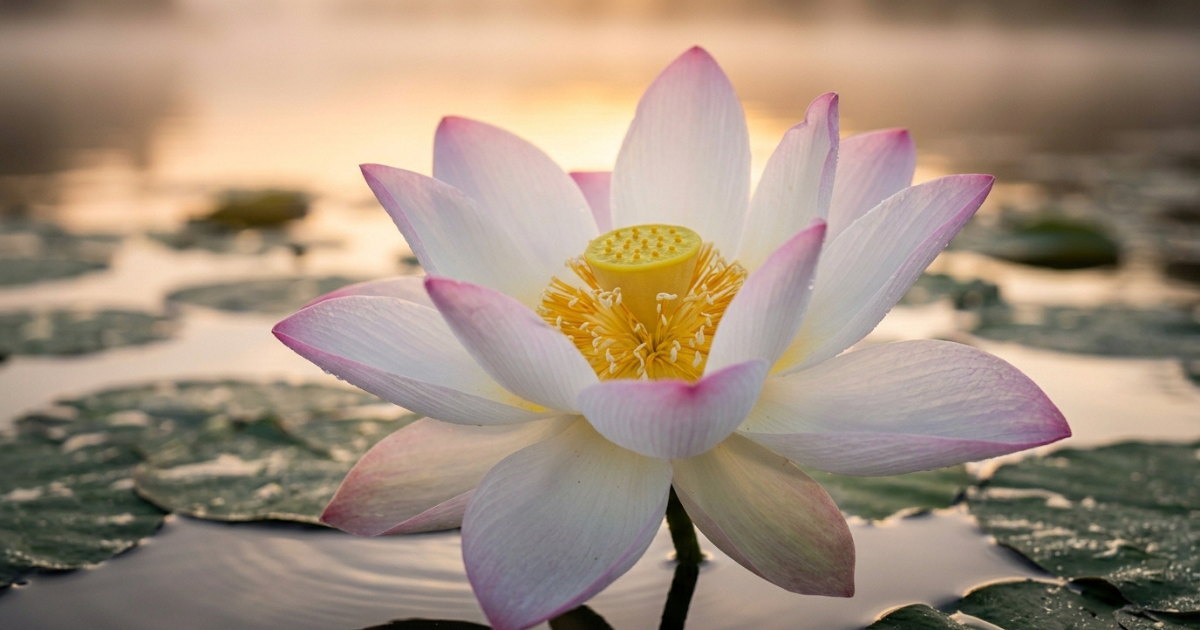
In Buddhism, the lotus flower symbolizes enlightenment and the ability to rise above suffering. In Hinduism, it is the seat of gods. In Egyptian mythology, the lotus was connected to the sun and creation. Across all three traditions, the core message is the same: life and beauty can emerge from the darkest places.
4. The Phoenix
The Phoenix is a mythical bird that burns to ash and rises again, stronger than before. It appears in Greek mythology, Egyptian lore, Chinese tradition, and modern pop culture.
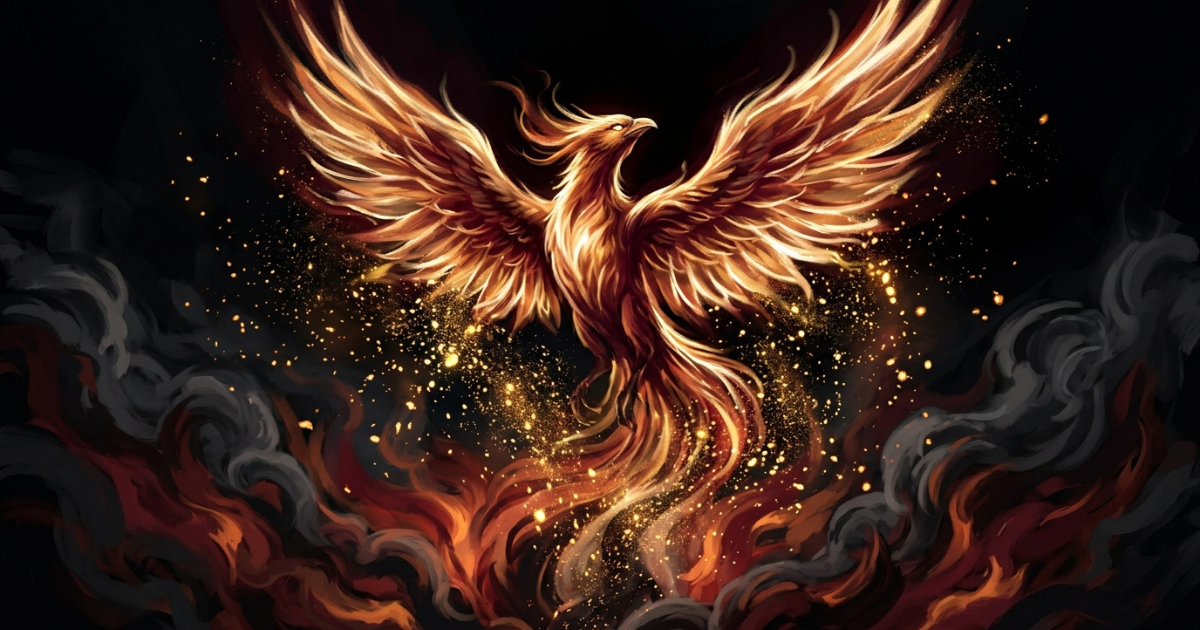
As a life symbol, the Phoenix does not just represent rebirth — it represents rebirth through destruction. Something must end before something new can begin. The Phoenix teaches that loss is not permanent, and that even your lowest point contains the seed of your next great chapter.
5. The Infinity Symbol
The infinity symbol (∞) is a sideways figure eight with no start and no end. As a life symbol, it represents the idea that existence never truly stops — it only changes form.
People use the infinity symbol in jewelry, rings, and tattoos to express eternal love, endless possibility, or the belief that a connection outlasts death.
6. The Ouroboros
The Ouroboros shows a serpent or dragon swallowing its own tail. It is one of the oldest Powerful life symbols ever recorded, found in ancient Egyptian texts and later adopted by Greek alchemists.
It represents the eternal cycle of life — the way endings feed beginnings, the way death creates room for new life. Everything that dies becomes the soil for what grows next. The Ouroboros is a reminder that the cycle never stops.
7. The Spiral
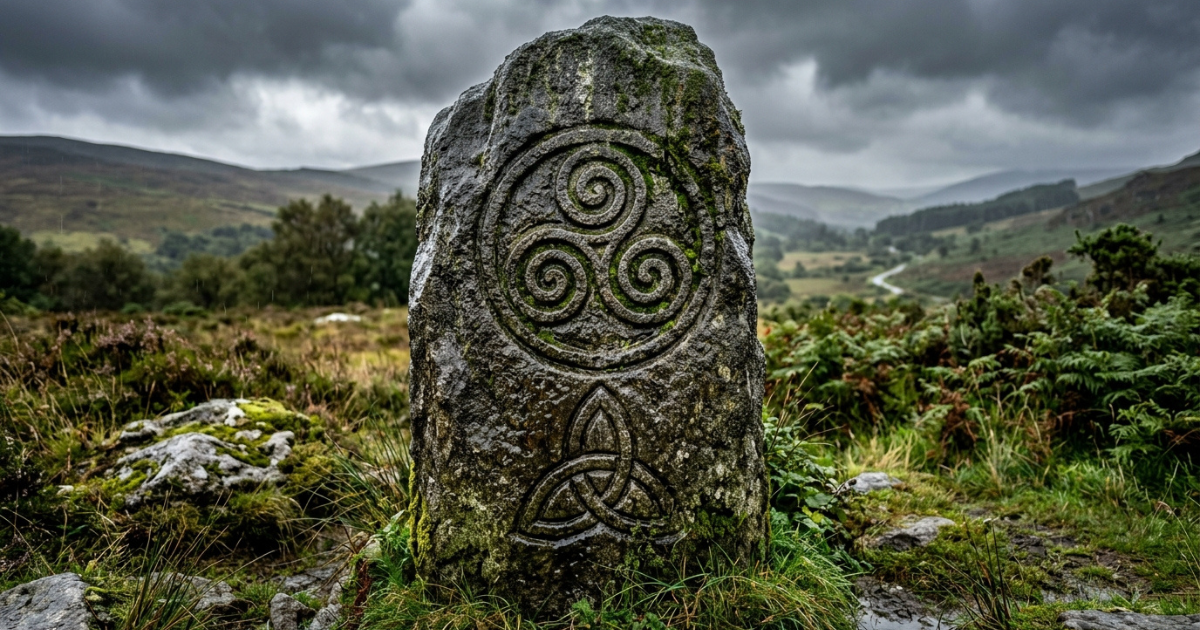
The spiral is one of the most organic life symbols in existence. It appears in seashells, galaxies, hurricanes, and the growth patterns of plants. Celtic artists carved it into stone thousands of years ago.
The spiral symbolizes the journey of life — not a straight line, but an expanding, evolving path. Every revolution outward represents growth, learning, and change.
Ancient Egyptian Life Symbols That Have Survived Millennia
Egyptian life symbols are among the most studied and most copied in human history. They were used in temples, burial tombs, sacred art, and everyday protective amulets.
The Ankh
Already described above, but worth noting: the Ankh was not just symbolic in Egypt — it was functional. Priests used it in healing rituals. The dead were buried with it to guarantee their passage into eternal life.
The Scarab Beetle
The scarab beetle represented the rising sun and the cycle of rebirth. Egyptians watched dung beetles push their balls of dung along the ground and saw in that motion a reflection of the sun’s movement across the sky — constant, purposeful, and eternal. Scarabs were carved onto amulets and pressed into the hearts of mummies.
The Eye of Horus
The Eye of Horus is a stylized human eye with distinctive markings. It represents protection, restoration of health, and the power of life to repair itself. Egyptians believed the Eye of Horus could heal the body and ward off evil.
The Djed Pillar
The Djed is a column-like symbol associated with the spine of the god Osiris. It represents stability, endurance, and long life. When carved into tombs, it was meant to give the soul strength for its eternal journey.
Greek Life Symbols and Their Mythological Roots
Ancient Greece gave the world some of the most enduring life symbols still used today, woven directly into mythology and philosophy.
The Phoenix (Greek Origins)
The Greeks told of a sacred bird that lived for 500 years, then burst into flame and rose reborn from its own ashes. For Greek thinkers, the Phoenix was proof that destruction and creation are the same force — that life uses death to renew itself.
The Olive Branch
In ancient Greece, the olive branch represented peace, victory, and the blessing of the gods. Victors at the Olympic Games received wreaths of olive leaves. The olive tree itself was associated with long life and divine protection.
The Rod of Asclepius
A staff with a single serpent wrapped around it — this is the symbol of Asclepius, the god of medicine and healing. It represents the power of life to recover, restore, and renew. It remains the official symbol of medicine worldwide.
The Greek Key (Meander)
The Greek Key pattern is a repeating geometric design that folds back on itself in an endless line. It represents the flow of eternal life and the infinite paths that existence can take. You see it today on architecture, pottery, and clothing.
Celtic Life Symbols You Should Know
Celtic civilization produced some of the most intricate and visually stunning life symbols ever created. They understood life as deeply interconnected with nature and the unseen world.
The Celtic Tree of Life
The Celts believed trees were sacred gateways between the world of the living and the spirit world. The Celtic version of the Tree of Life shows roots and branches forming a perfect circle — mirroring each other, showing that the underground world and the sky world are reflections of the same truth.
The Celtic Trinity Knot (Triskelion)
The Celtic trinity knot — also called the triquetra — is three interlocked loops with no beginning and no end. It represents the three stages of life (birth, death, rebirth), the three worlds (earth, sky, sea), and the eternal nature of all things. It is one of the most beloved Celtic life symbols used in jewelry today.
The Spiral (Celtic Triskelion)
Celtic stone carvings at ancient sites like Newgrange in Ireland feature triple spirals dating back over 5,000 years. These spirals represented the sun’s movement, the cycle of seasons, and the continuous journey of the human soul.
Eastern Life Symbols From Buddhism and Hinduism
Eastern spiritual traditions developed rich visual languages to express ideas about life, consciousness, and liberation.
The Lotus Flower
Already detailed above, the lotus carries special weight in Buddhist and Hindu traditions. In Buddhism, the lotus represents the Eightfold Path out of suffering. Its eight petals mirror the eight practices that lead to enlightenment.
The Mandala
The mandala is a circular diagram representing the universe and the self. In Tibetan Buddhism, monks create elaborate sand mandalas over days — then destroy them — to demonstrate the impermanence of life and the importance of present-moment awareness. As a life symbol, the mandala represents wholeness, the cosmos, and the interconnection of all living things.
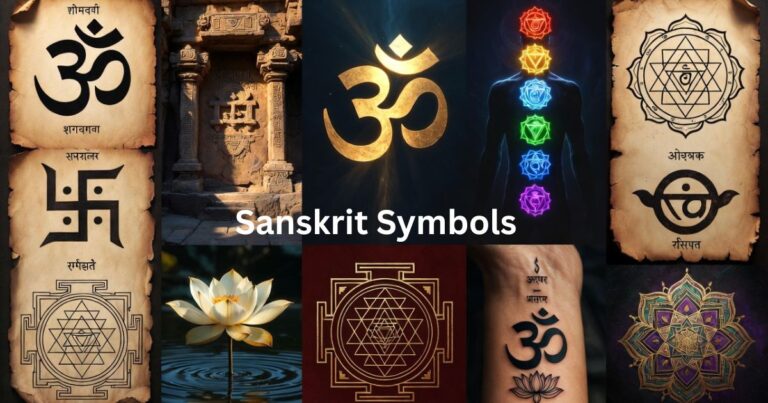
The Om Symbol (ॐ)
Om is the sacred sound of creation in Hinduism and Buddhism. Its written symbol represents the three states of consciousness: waking, dreaming, and deep sleep. As a life symbol, Om represents the fundamental vibration of existence itself — the sound that life makes at its source.
The Hamsa
The Hamsa is a hand-shaped amulet found across the Middle East and North Africa, embraced by Jewish, Islamic, and Hindu traditions alike. It represents the protective hand of God, warding off negative energy and bringing blessings of health, fertility, and good fortune. As a life symbol, the Hamsa signifies protection and the preciousness of living.
Spiritual Life Symbols and Their Meanings
Spiritual life symbols go beyond the physical to address the nature of the soul and its journey.
The Infinity Symbol
As a spiritual life symbol, the infinity sign (∞) teaches that consciousness does not end at the boundary of the body. The soul, like the symbol, has no stop point — it loops eternally forward.
The Circle
The circle is one of the oldest and most universal of all life symbols. It has no beginning and no end. In Native American traditions, the circle represents the sacred hoop of life. In Buddhism, the circle (Enso) represents enlightenment and the universe. In Celtic culture, the circle represented the eternal return of all things.
The Flame
Fire is a spiritual life symbol across almost every culture on earth. It represents the divine spark within each person — the inner light that cannot be permanently extinguished. Candles lit during prayer, eternal flames at sacred sites, and the myth of Prometheus all center on fire as the carrier of life’s essence.
Symbols of New Life, Rebirth, and Transformation
These life symbols specifically represent beginnings — the moments when something ends and something new emerges.
The Butterfly
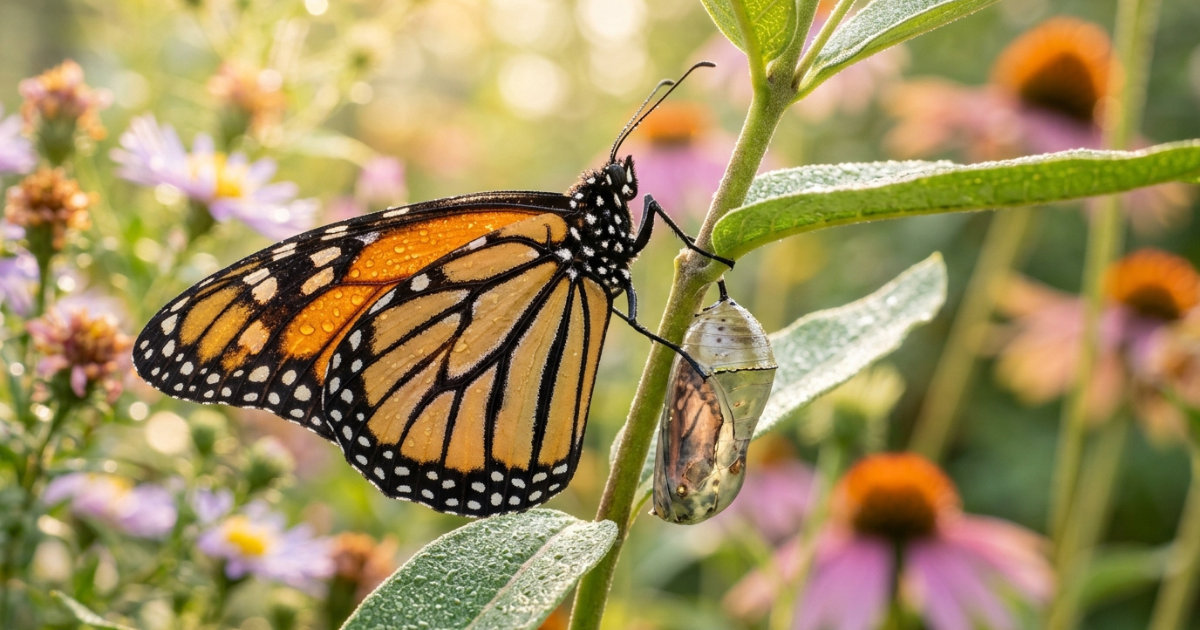
The butterfly undergoes one of nature’s most dramatic transformations — from a slow, earthbound caterpillar to a winged creature of color. That metamorphosis has made the butterfly one of the most powerful new life symbols across cultures. In Greek mythology, the butterfly (Psyche) represented the soul itself.
The Egg
The egg is a universal symbol of creation and new life. In Norse mythology, the world hatched from an egg. In Hindu cosmology, Brahma emerged from a golden egg. Easter eggs in Christian tradition celebrate the resurrection of life. The egg holds the entire potential of a new being inside a small, fragile shell — a perfect symbol for the way life begins in vulnerability.
The Sunrise
Each sunrise is a life symbol available to everyone, every single day. It represents a new beginning, a second chance, and the guarantee that light follows darkness. Ancient peoples built temples aligned with the rising sun precisely because they understood sunrise as a daily act of cosmic renewal.
The Seed
A seed contains everything it will ever become, held in a state of patient waiting. As a life symbol, the seed represents potential, hope, and the invisible beginning of growth. Everything that lives was once a seed — a possibility not yet opened.
Life Symbols Found in Nature
Nature itself is a living library of life symbols. These are some of the most powerful.
- The Sun — Warmth, energy, vitality, and the source of all life on earth. The sun appears as a life symbol in Egyptian, Aztec, Native American, and Celtic cultures.
- Water — Purification, flow, adaptability, and survival. Every living thing depends on water. It represents life in its most essential, undeniable form.
- Trees — Connection between worlds, strength through rootedness, growth over time. Trees breathe, grow, shed, and renew — mirroring the human life cycle.
- Mountains — Endurance, perspective, and the long journey of life. Mountains represent the challenges that make life meaningful.
- Rivers — The passage of time, constant change, and the forward motion of life. A river never runs backward — just like time.
Read More: Chat Dating App Notification Symbols You Should Never Ignore
The Flower of Life — A Symbol of Sacred Geometry
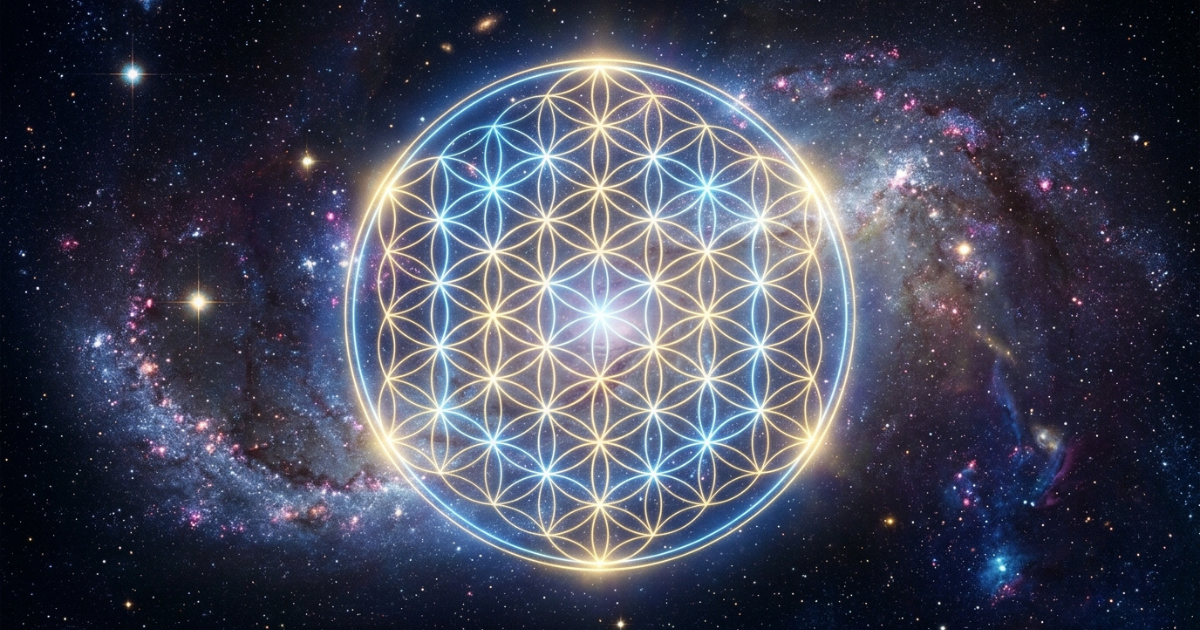
The Flower of Life is a geometric pattern made of overlapping circles arranged in a precise, flower-like formation. It has been found carved into ancient temples in Egypt, Assyria, India, China, and Greece — on every inhabited continent.
It represents sacred geometry — the mathematical patterns that appear throughout nature and the universe. Scholars believe it encodes the building blocks of existence: the five Platonic solids that make up all matter can be derived from its geometry.
The Flower of Life stands for:
- Unity and interconnection of all living things
- The structure underlying creation
- Harmony between visible and invisible forces
- Spiritual awakening through pattern recognition
It is widely used today in meditation art, healing spaces, and spiritual jewelry because of its visually harmonious structure and its connection to ancient wisdom traditions worldwide.
Life Symbols in Tattoos, Jewelry, and Modern Art
Life symbols have moved seamlessly into contemporary culture because their core messages — hope, growth, survival — are timeless.
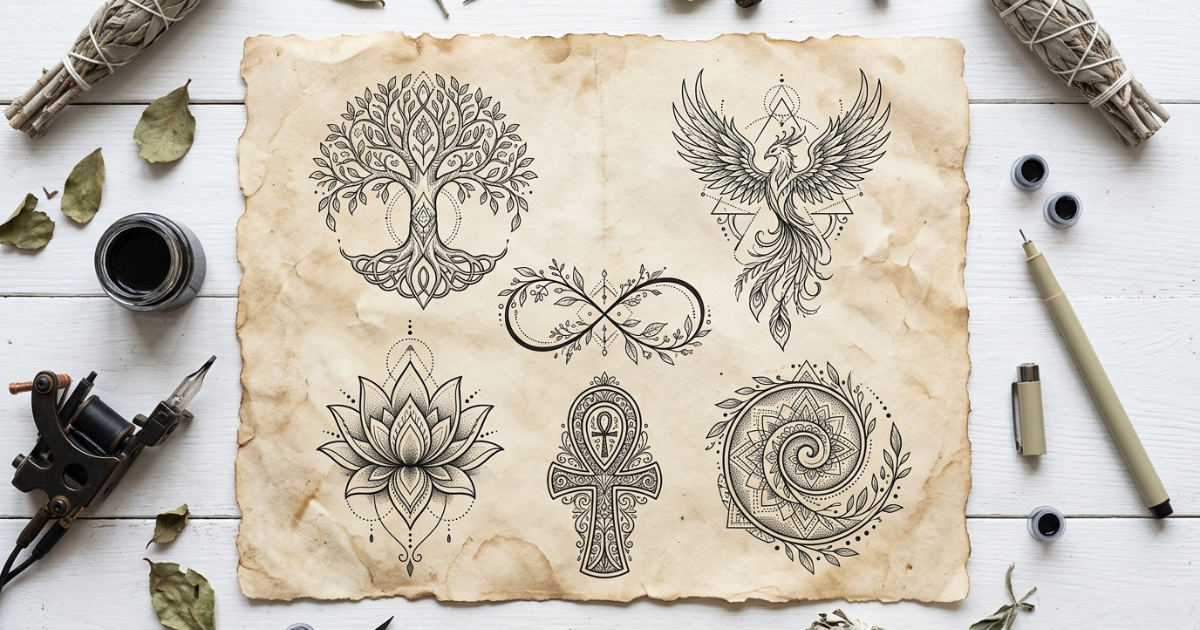
Most popular life symbol tattoos:
- Phoenix tattoo — chosen after periods of personal hardship or major life change
- Tree of Life tattoo — often representing family, roots, and personal growth
- Lotus tattoo — popular among people who have overcome emotional pain or addiction
- Infinity tattoo — worn to represent eternal love or connection to someone who has passed
- Ankh tattoo — chosen by those drawn to Egyptian spirituality or eternal life symbolism
In jewelry, the Tree of Life, Ankh, infinity symbol, Hamsa, and Celtic trinity knot are the five best-selling life symbol designs globally. They are worn not just as decoration but as personal statements of belief and identity.
In modern art and film, the Phoenix appears in narratives of trauma and recovery. The Tree of Life frames stories of family and destiny. These symbols translate naturally into storytelling because they already carry the emotional weight that good stories need.
The Psychology Behind Life Symbols
Why are humans so drawn to life symbols? The answer comes from psychology as much as spirituality.
Carl Jung, the Swiss psychologist, called universal symbols like the Tree of Life and the Circle “archetypes” — images buried so deep in the human collective unconscious that they carry emotional meaning for every person, regardless of culture or background.
Life symbols work because they compress enormous complexity into a single image. The idea of “everything that grows, endures, connects, and renews” is impossible to say in one sentence — but the Tree of Life says it in a single glance.
When someone tattoos a Phoenix on their arm after surviving cancer, they are not engaging in superstition. They are using an ancient psychological tool: giving their personal story a universal shape. The symbol tells a story bigger than their own experience, and in doing so, gives that experience meaning and dignity.
Life symbols help people:
- Process grief and loss by framing endings as transitions
- Build identity around values like resilience and growth
- Feel connected to something larger than themselves
- Communicate deep beliefs without words
FAQ — Common Questions About Life Symbols
What is the most powerful symbol of life?
The Tree of Life is widely considered the most powerful of all life symbols. It appears in more cultures independently than any other symbol — Celtic, Norse, Egyptian, Jewish, Christian, and Native American traditions all developed their own version. Its core message of growth, connection, and eternal existence resonates universally.
What symbols symbolize life?
Many symbols represent life, each with a different emphasis. The Ankh represents eternal life. The lotus represents life rising from difficulty. The Phoenix represents life renewed through loss. The circle represents the endless cycle of life. The Tree of Life represents life in its fullest sense — roots, growth, and connection.
What are some symbols with deep meanings?
Some of the most meaningful life symbols include: the Ouroboros (eternal cycle), the Flower of Life (sacred geometry and creation), the Celtic trinity knot (birth, death, rebirth), the Eye of Horus (protection and restoration), and the mandala (cosmic wholeness). Each of these carries layers of meaning built across centuries of human experience.
What is the secret symbol of life?
The Flower of Life is often called the “secret” symbol of life because it encodes the geometric patterns underlying all of creation. Ancient cultures placed it in temples and sacred sites as a hidden blueprint of the universe. Sacred geometry scholars believe it contains the mathematical foundations of all living structures.
Are life symbols the same across cultures?
Not exactly — but they are remarkably similar. Every major civilization independently developed symbols around the same core ideas: trees for growth and connection, circles for eternity, fire for the vital spark, and serpents or birds for rebirth. The specific symbols differ, but the human needs they express are universal.
Conclusion
Life symbols are not relics. They are alive — used, worn, tattooed, carved, and painted by millions of people every single day because they answer questions that never go out of date. Where did I come from? What am I becoming? Does any of this last?
These 83+ life symbols from Egypt, Greece, Celtic culture, Eastern traditions, and the natural world all carry the same fundamental answer: life continues. It transforms. It renews. And it is always, at every moment, full of meaning.
Whether you are drawn to the Tree of Life for its roots, the Phoenix for its fire, the lotus for its rise, or the Ouroboros for its endless circle — these life symbols are yours to carry. They have been waiting, carved in stone and painted in gold, for exactly this moment in your journey.
Explore the life symbols that call to you. Wear them. Study them. Let them remind you of what you already know but sometimes forget: you are part of something that does not end.

Muhammad Shoaib is a passionate content writer and symbolism researcher at TrendyMegzine.com, where he explores the hidden meanings behind symbols, spiritual signs, ancient traditions, dream interpretations, and cultural symbolism.