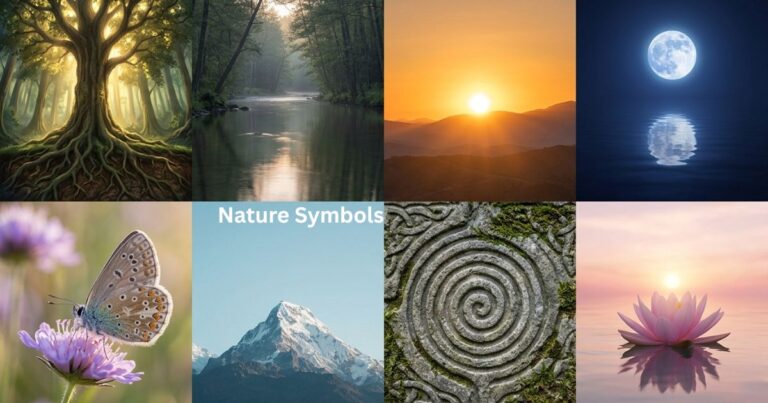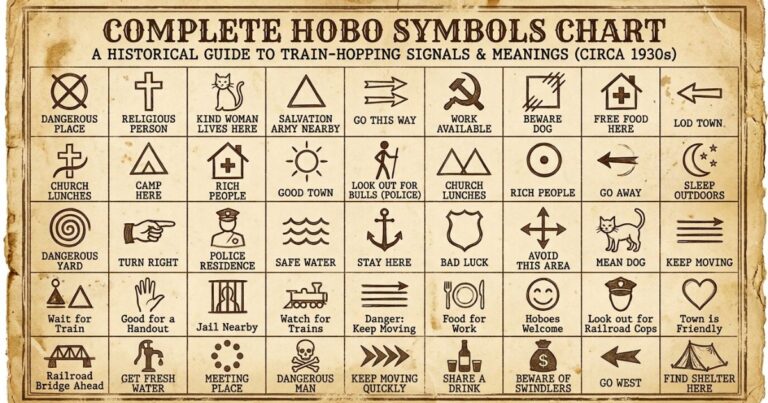
70+ Powerful Symbols to Represent Yourself in 2026
Quick Answer Box
What are the best symbols to represent yourself?
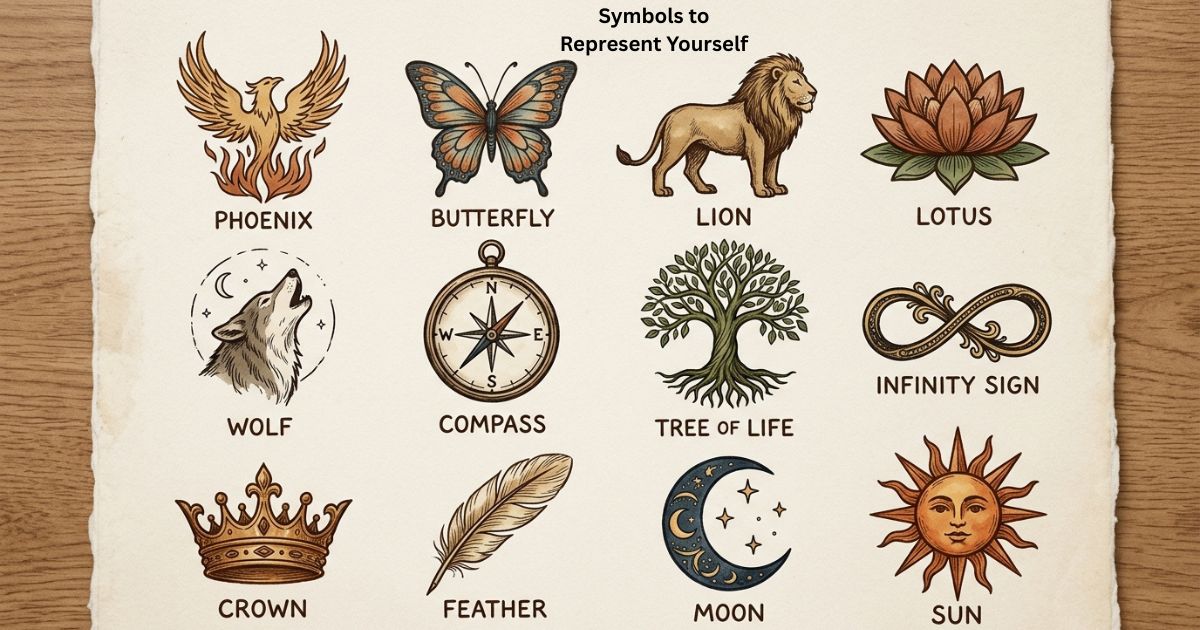
- 🔥 Phoenix — rebirth and rising after hardship
- 🦋 Butterfly — transformation and personal growth
- 🦁 Lion — courage and inner strength
- 🪷 Lotus — purity and spiritual awakening
- 🐺 Wolf — loyalty and independence
- 🧭 Compass — direction and life purpose
- 🌳 Tree of Life — connection and balance
- ♾️ Infinity Symbol — endless growth and resilience
- 👑 Crown — confidence and self-worth
- 🪶 Feather — freedom and lightness of spirit
If someone asked you to explain who you are using only one image, what would you choose?
That question is harder than it sounds — and that is exactly why symbols to represent yourself have existed for thousands of years. Words can feel limited. A single symbol, though, can carry your whole story in one simple shape.
From ancient warriors marking their shields to modern people choosing meaningful tattoos, humans have always searched for visual ways to express identity. A symbol can speak about your courage, your healing, your dreams, or your quiet inner strength — all without saying a single word.
In this guide, you will discover 70+ powerful symbols people use to represent themselves. You will learn what each one means, where it comes from, and how you can choose the symbol that feels most like you. Whether you want a tattoo, a personal emblem, or simply a deeper understanding of yourself — this guide will help you find it.
Let’s begin.
What Are Symbols to Represent Yourself?
Symbols to represent yourself are images, shapes, or objects that show who you are without needing long explanations.
They act like a mirror. When someone looks at your symbol, they get a quick glimpse into your personality, your values, or your life story. A lion might tell people you are brave. A compass might tell them you are searching for purpose. A butterfly might tell them you have grown through hard times.
These symbols are powerful because humans naturally connect feelings to images. This connection is built into how our brains work — we remember pictures faster and more deeply than plain words.
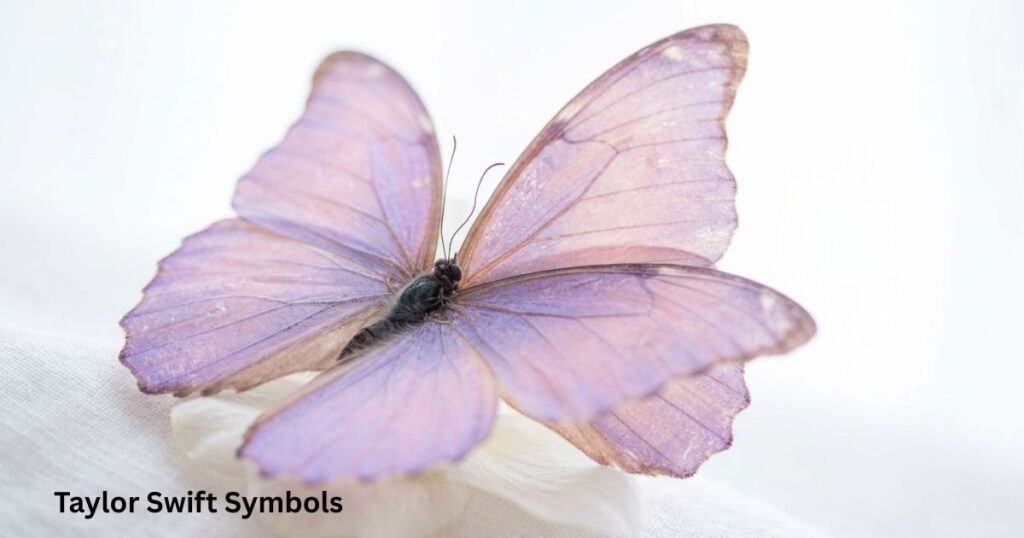
Personal symbols can represent:
- Identity and individuality
- Inner strength and resilience
- Freedom and independence
- Emotional or spiritual healing
- Love and connection
- Spiritual awakening
- Mystery and depth
- Protection and safety
- Creativity and imagination
- Rebirth and new beginnings
Where do people use these symbols today?
- Tattoos that tell a personal story
- Jewelry worn as a daily reminder
- Art and journaling
- Social media profiles and usernames
- Fashion choices and accessories
- Meditation and spiritual practice
The most powerful symbol is always the one that feels true to you — not the one that simply looks impressive to others.
Symbols to Represent Yourself — History and Origin
The use of personal symbols stretches back to the very beginning of human civilization.
Ancient Egypt (3000 BC+)
In Ancient Egypt, symbols were treated as sacred markers of identity and power. Pharaohs wore the Ankh to represent eternal life. Scarab beetles were carried as symbols of rebirth and protection. These symbols were carved into tombs, painted on temple walls, and worn as jewelry — connecting a person’s identity to something larger and divine.
Tribal and Indigenous Communities
Long before written language spread worldwide, tribal communities painted symbols directly onto the body. These markings showed which tribe a person belonged to, what stage of life they had reached, or what spiritual protection they carried. Body symbols were not decoration — they were identity itself, visible for everyone to understand instantly.
Medieval Europe (500–1500 AD)
During the Middle Ages, knights and noble families created family crests — detailed symbols combining animals, colors, and shapes to represent honor, courage, and lineage. A lion on a crest meant bravery. A dove meant peace. These symbols were stitched onto banners and shields, carried into battle as a visual reminder of who a person was and where they came from.
The Renaissance and Symbolic Art (1400–1600 AD)
As art flourished across Europe, painters began weaving personal symbolism directly into portraits. A subject might be painted holding a specific flower, animal, or object — each one chosen carefully to represent their personality, profession, or personal values.
The Modern Era — Tattoos, Fashion, and Self-Expression (1900s–Present)
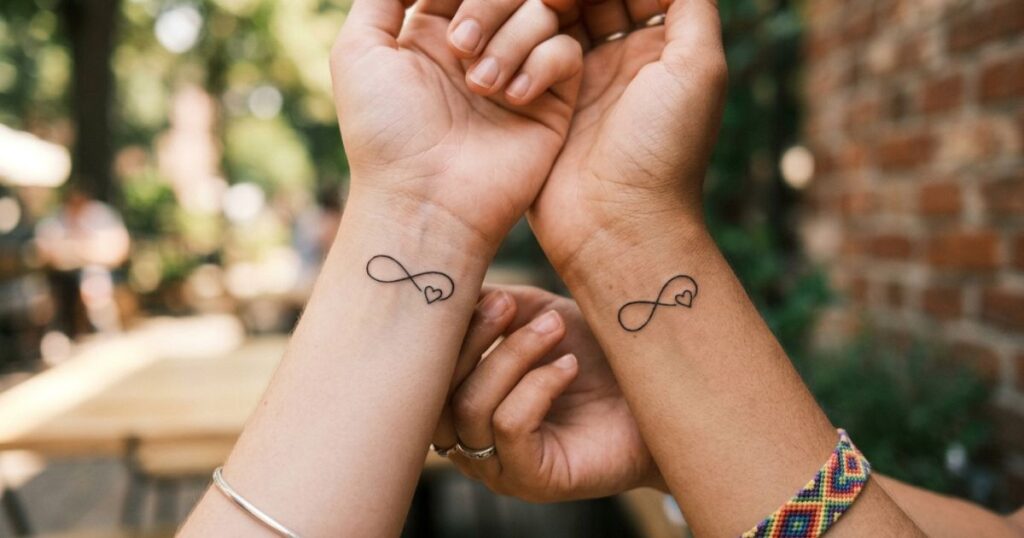
In the 20th century, tattoo culture transformed how people used personal symbols. What was once reserved for sailors, prisoners, or specific subcultures became a mainstream form of self-expression. People began choosing permanent symbols — phoenixes, compasses, lotus flowers — to mark major life changes, healing journeys, and personal beliefs.
Today, in the digital age, personal symbols have expanded even further — appearing in social media profile pictures, personal logos, and digital art, proving that the human need to visually express identity has never disappeared.
Top 25+ Meanings of Symbols to Represent Yourself
Here is a complete guide to the most powerful and widely chosen personal symbols.
1. The Phoenix 🔥
What it looks like: A fiery mythical bird rising from flames.
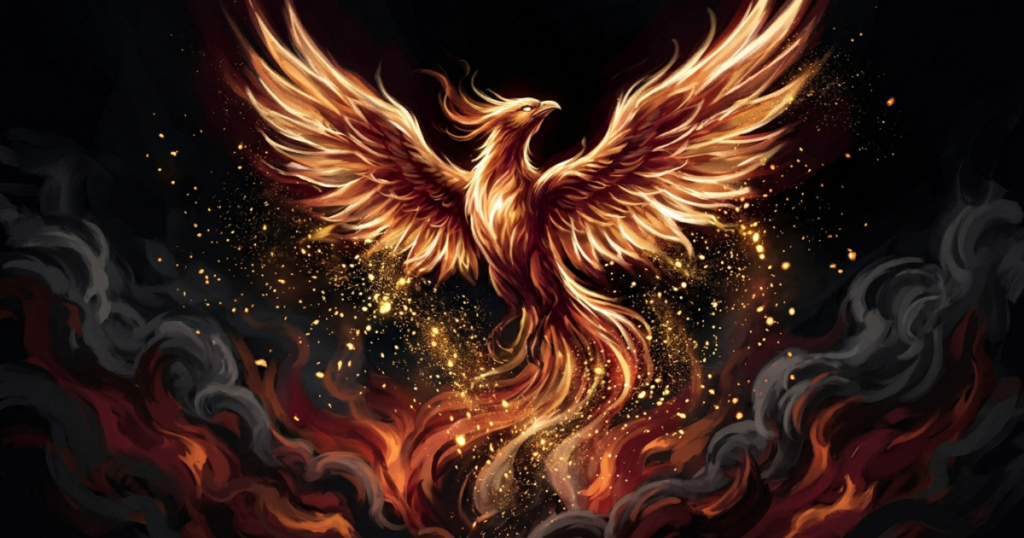
What it means: Rebirth, resilience, and rising stronger after destruction.
People who have survived heartbreak, trauma, or major life changes often feel deeply connected to the phoenix. It does not just survive fire — it is reborn from it. This makes it one of the most emotionally powerful personal symbols that exists.
Where it appears: Greek mythology, tattoos, fantasy stories, and spiritual teachings about transformation.
2. The Butterfly 🦋
What it looks like: A delicate winged insect with colorful patterns.
What it means: Transformation, growth, freedom, and inner beauty.
The butterfly represents personal evolution better than almost any other symbol. A caterpillar must go through a difficult, hidden process before it can fly. This makes the butterfly perfect for anyone who has grown through pain into something beautiful.
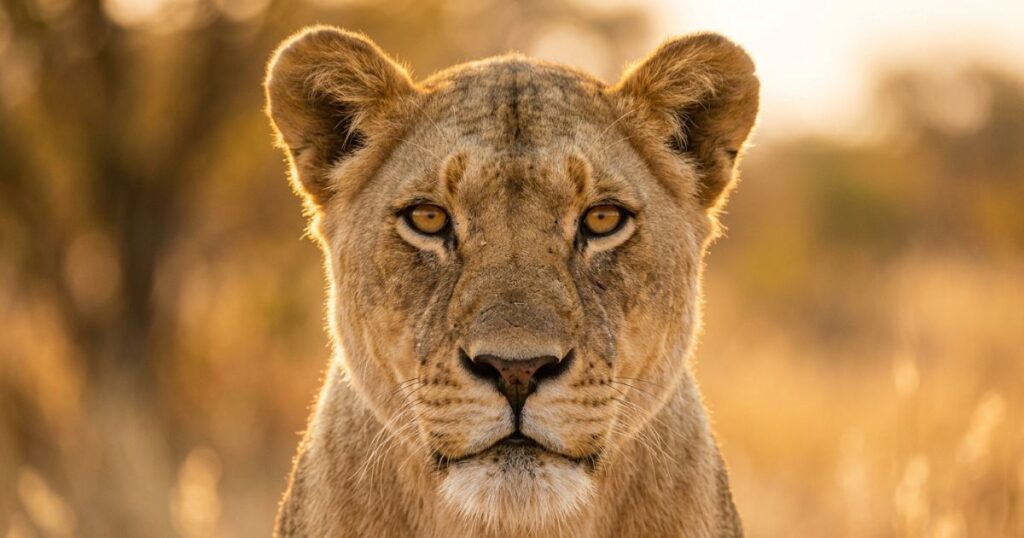
3. The Lion 🦁
What it looks like: A majestic wild cat with a powerful mane.
What it means: Courage, leadership, confidence, and protection.
Many people choose the lion because it represents fearless strength — not aggressive power, but quiet, steady inner authority. A lion does not need to prove its strength loudly; it simply knows it.
4. The Lotus Flower 🪷
What it looks like: A flower blooming above muddy water.
What it means: Purity, enlightenment, and spiritual growth through struggle.
The lotus teaches a powerful lesson: difficult experiences can still produce beauty and wisdom. No matter how “muddy” your circumstances, you can still rise and bloom.
5. The Wolf 🐺
What it looks like: A wild canine, often shown howling under the moon.
What it means: Loyalty, instinct, intelligence, and independence.
The wolf attracts people who feel deeply connected to freedom and emotional intuition. Wolves are pack animals, but they are also fiercely independent — making this symbol perfect for someone who values both connection and self-reliance.
6. The Compass 🧭
What it looks like: A circular navigation tool with directional arrows.
What it means: Guidance, purpose, and finding your true direction in life.
People often choose the compass during uncertain periods, when they are searching for clarity about who they want to become and where they want to go.
7. The Tree of Life 🌳
What it looks like: A large tree with deep roots and wide, spreading branches.
What it means: Connection, family, growth, and balance.
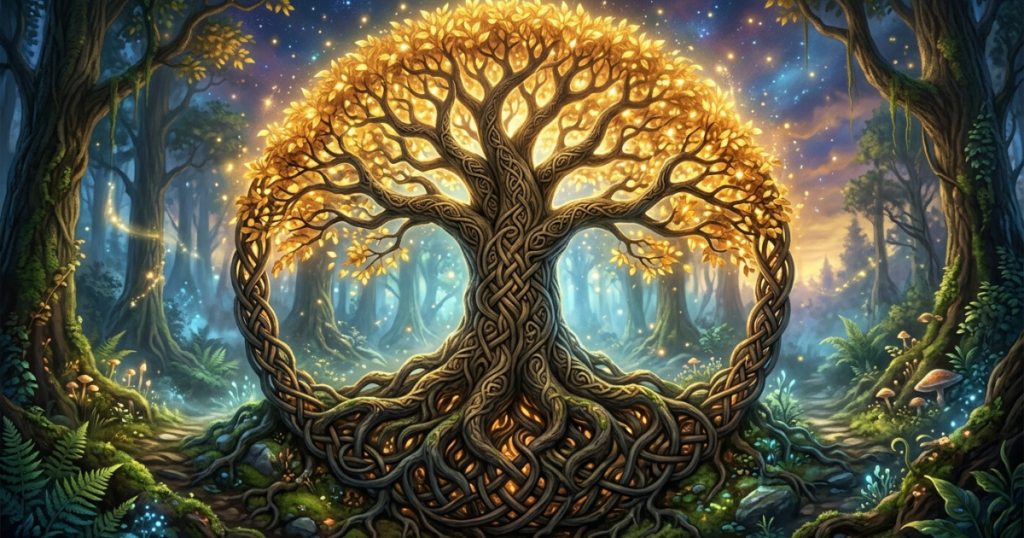
This symbol reminds people that real strength comes from both your roots (where you came from) and your growth (where you are going). One cannot exist fully without the other.
8. The Infinity Symbol ∞
What it looks like: A sideways figure eight.
What it means: Endless possibility, resilience, and unbreakable inner strength.
This symbol reminds people that their capacity to grow and heal has no real limit — even after the hardest seasons of life.
9. The Crown 👑
What it looks like: A royal headpiece, often with jewels or points.
What it means: Confidence, self-worth, and personal authority.
Choosing a crown as a personal symbol is a quiet but powerful statement: “I know my own value, even if no one else sees it yet.”
10. The Feather 🪶
What it looks like: A single, light bird feather.
What it means: Freedom, peace, and spiritual lightness.
Many people choose feathers to represent letting go of heavy emotional burdens and trusting in their own path forward.
11. The Moon 🌙
What it looks like: A crescent or full moon, often glowing softly.
What it means: Intuition, emotional depth, and quiet inner wisdom.
The moon represents the parts of a person that are not always visible — emotional depth, dreams, and inner reflection that happens away from the busy noise of daily life.
12. The Sun ☀️
What it looks like: A bright circle with rays extending outward.
What it means: Life force, vitality, and personal power.
While the moon represents quiet reflection, the sun represents outward energy — warmth, confidence, and the courage to be seen.
13. The Anchor ⚓
What it looks like: A traditional ship anchor.
What it means: Stability, groundedness, and emotional strength during hard times.
People choose the anchor when they want to represent being steady — someone who does not get swept away easily, even in difficult emotional storms.
14. The Arrow ➡️
What it looks like: A thin shaft with a pointed tip.
What it means: Moving forward, focus, and determination.
An arrow must be pulled backward before it can fly forward. This makes it a popular symbol for anyone who has faced setbacks before achieving real progress.
15. The Mountain ⛰️
What it looks like: A tall, pointed peak.
What it means: Strength, ambition, and overcoming obstacles.
Mountains represent the idea that the biggest challenges in life often lead to the most rewarding views.
16. The Key 🔑
What it looks like: A traditional metal key.
What it means: Hidden knowledge, new opportunities, and personal freedom.
People often choose keys to represent unlocking a new chapter of life or discovering something important about themselves.
17. The Owl 🦉
What it looks like: A night bird with large, watchful eyes.
What it means: Wisdom, intuition, and seeing what others miss.
The owl represents quiet intelligence — someone who observes carefully before acting and trusts their own inner knowing.
18. The Rose 🌹
What it looks like: A flower with delicate petals and sharp thorns.
What it means: Love, beauty, and resilience despite vulnerability.
The rose reminds people that beauty and strength can exist together — softness does not mean weakness.
19. The Snake 🐍
What it looks like: A long reptile, often shown coiled or shedding skin.
What it means: Transformation, healing, and rebirth.
Because snakes shed their skin, they have long represented the idea of leaving an old version of yourself behind to become something new.
20. The Fingerprint
What it looks like: A unique swirling pattern.
What it means: Individuality and the fact that no one else is exactly like you.
This is one of the most literal personal identity symbols — a permanent reminder that your existence is one-of-a-kind.
21. The Heart ❤️
What it looks like: The universal heart shape.
What it means: Love, emotional depth, and compassion.
While often linked to romance, the heart is also widely chosen to represent self-love and emotional resilience.
22. The Star ⭐
What it looks like: A five or six-pointed glowing shape.
What it means: Guidance, hope, and personal aspirations.
Stars represent the goals and dreams that guide a person, even during their darkest moments.
23. The Hourglass ⏳
What it looks like: A glass shape with sand flowing from top to bottom.
What it means: Time, change, and the importance of living fully in the present.
This symbol often appeals to people who have experienced loss or who deeply value the time they have.
24. The Triangle
What it looks like: A simple three-sided shape.
What it means: Balance between mind, body, and spirit, or strength through stability.
A triangle is one of the strongest geometric shapes structurally — making it a fitting symbol for personal stability and balance.
25. The Dove 🕊️
What it looks like: A white bird, often in flight.
What it means: Peace, emotional release, and the end of suffering.
The dove represents reaching a place of calm after a difficult emotional journey.
Symbols to Represent Yourself in Different Cultures
Personal symbols look different depending on culture and history, but they share the same emotional purpose. Here is a clear comparison:
| Culture | Common Identity Symbol | Meaning |
| Ancient Egypt | Ankh, Scarab Beetle | Eternal life and rebirth |
| Chinese Culture | Dragon, Yin-Yang | Power, prosperity, and balance |
| Native American | Eagle, Bear, Wolf | Vision, strength, loyalty |
| Celtic Culture | Celtic Knot, Tree | Eternity and life cycles |
| Japanese Culture | Cherry Blossom, Koi Fish | Impermanence and perseverance |
| Greek Mythology | Phoenix, Owl | Rebirth and wisdom |
| Medieval Europe | Family Crests (Lion, Dove) | Honor, courage, and lineage |
| Modern Western Culture | Compass, Infinity Symbol | Purpose and unlimited growth |
What this table shows us: No matter the time period or culture, humans have always reached for symbols to express identity. The shapes change, but the deep human need to be visually understood never does.
Symbols to Represent Yourself in Dreams — What Does It Mean?
Seeing certain symbols repeatedly in your dreams can carry important personal meaning. Here is what common symbols suggest:
Dreaming of a butterfly: Personal transformation is happening, even if it does not feel obvious yet. This dream often appears during periods of emotional growth.
Dreaming of a wolf: Your subconscious may be telling you to trust your instincts more. This dream often appears when you are second-guessing an important decision.
Dreaming of fire or a phoenix: Something in your life is ending so something new can begin. This is often a deeply positive sign of personal rebirth.
Dreaming of a key: New opportunities are opening up, or you are close to understanding something important about yourself.
Dreaming of a compass: You may be searching for clarity or direction in your waking life. This dream often appears during major life transitions.
Dreaming of water: Emotional healing or uncertainty. The clarity or murkiness of the water often reflects how clear or confused your emotions currently feel.
Dreaming of flying: Freedom, spiritual growth, or a desire to rise above a current struggle.
Dreaming of your own fingerprint or face: A deep reflection on identity — your subconscious may be asking you to reconnect with who you truly are beneath daily distractions.
Spiritual Meaning of Symbols to Represent Yourself
On a spiritual level, personal symbols are believed to connect individuals to something larger than themselves.
Symbols as Soul Mirrors
Many spiritual traditions believe that the symbol a person feels drawn to is not random. It is believed to reflect something deep within the soul — a quality, lesson, or truth the person is meant to recognize and grow into.
Carl Jung and the Power of Archetypes
Psychologist Carl Jung believed symbols emerge from the subconscious mind and connect people through shared human patterns called archetypes. A person drawn to wolves may unconsciously value independence and loyalty. Someone drawn to keys may be subconsciously craving freedom or hidden self-knowledge. Jung believed these symbols reveal truths about ourselves that we cannot always express directly in words.
Symbols During Spiritual Awakening
People often report being strongly drawn to specific symbols during emotional turning points — grief, healing, major life transitions, or spiritual awakening. A person healing from loss may feel pulled toward the phoenix. Someone seeking peace may feel calmed by the lotus. This is not coincidence; spiritually, it is considered a sign that the symbol holds a personal lesson meant specifically for that season of life.
Sacred Geometry and the Self
Many spiritual teachers believe simple geometric shapes — circles, triangles, spirals — connect to universal patterns found throughout nature and the human body. Choosing a geometric personal symbol is believed to align a person with deeper universal balance.
Symbols as Spiritual Companions
Ultimately, many spiritual traditions agree on one core idea: a personal symbol becomes a quiet companion. It reminds you, during hard times, of your own strength, your own story, and your own capacity to keep growing.
Symbols to Represent Yourself — Common Myths vs Real Facts
There is a lot of confusion about personal symbols. Here is the truth:
| Myth | Real Fact |
| “Your personal symbol must be ancient or exotic to be powerful” | False. A symbol’s power comes from personal meaning, not how rare or ancient it looks. |
| “You can only have one symbol that represents you” | False. Many people connect with multiple symbols representing different parts of their identity. |
| “Choosing a symbol that represents you is just decoration” | False. Research in psychology shows symbols genuinely influence mindset, memory, and emotional processing. |
| “Tattoos are the only meaningful way to use personal symbols” | False. Jewelry, art, journaling, and even phone wallpapers can hold the same emotional power. |
| “If a symbol has a negative meaning in one culture, it cannot represent something positive for you” | False. Meaning can shift depending on personal experience and intention. |
| “Personal symbols never change throughout your life” | False. As you grow and change, the symbol that represents you may naturally evolve too. |
| “You need spiritual training to understand your personal symbol” | False. Most personal symbolism is simply about self-reflection and honesty about what resonates with you. |
| “A symbol has to look impressive to others to be meaningful” | False. The most powerful personal symbols are often simple — their meaning comes from within, not from outside approval. |
How to Use This Symbol in Your Life
Once you choose a symbol that feels true to you, here are simple, meaningful ways to bring it into daily life.
1. Reflect Before You Choose Sit quietly and ask yourself: What feeling do I want to carry with me every day? Strength? Peace? Freedom? Let that feeling guide which symbol you choose.
2. Wear It Daily A small pendant, ring, or bracelet featuring your symbol becomes a personal, quiet reminder of who you are throughout your day.
3. Get a Meaningful Tattoo Many people choose to permanently mark their skin with a personal symbol to represent a major life milestone — healing, growth, survival, or transformation.
4. Use It in Journaling Draw your symbol at the top of a journal page before writing. It can help center your thoughts and remind you of your personal values as you reflect.
5. Decorate Your Space With Intention Place artwork featuring your symbol somewhere you see it daily — your bedroom wall, your desk, or even your phone wallpaper.
6. Meditate With Your Symbol Visualize your chosen symbol during quiet reflection or meditation. Picture it glowing softly, representing the strength or peace you want to carry within you.
7. Create a Personal Logo or Signature Some people incorporate their symbol into their personal branding, signature, or social media — a subtle way of expressing identity to the wider world.
8. Share Its Meaning With Others When someone asks about your symbol, sharing its meaning can deepen your own connection to it — and sometimes inspire others to reflect on their own identity too.
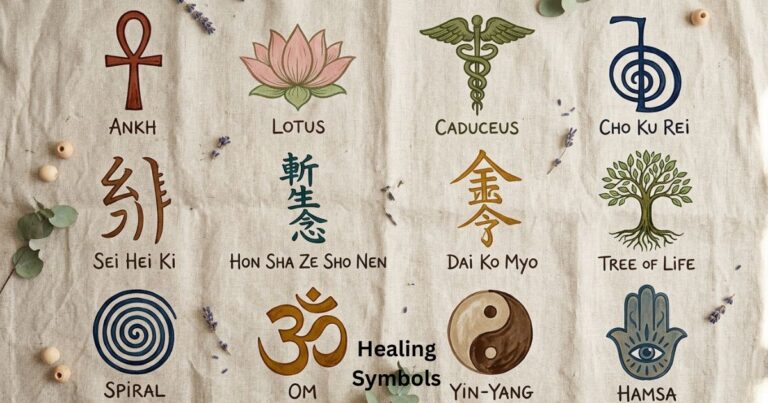
Read More: 91+ Best Healing Symbols From Around the World 2026
FAQ — Symbols to Represent Yourself
Q1: What symbol represents the self?
There is no single universal symbol for the self — it depends entirely on personal experience and connection. Commonly chosen symbols include the fingerprint (representing individuality), the phoenix (representing personal rebirth), and the infinity symbol (representing unlimited growth and resilience).
Q2: What are some personal symbols?
Popular personal symbols include the phoenix, butterfly, lion, wolf, lotus flower, compass, tree of life, infinity symbol, crown, and feather. The right symbol depends on which qualities — strength, growth, freedom, peace — feel most personally meaningful to you.
Q3: What is a symbol for being yourself?
The fingerprint is one of the most literal symbols for authenticity and individuality, since no two fingerprints are exactly alike. Many people also choose the lotus flower or butterfly to represent embracing their true, transformed self.
Q4: Why do humans connect emotionally with symbols?
Humans process visual images faster and more emotionally than plain words. Symbols connect to memory, culture, and subconscious feelings, making them powerful tools for expressing identity and emotion without lengthy explanation.
Q5: Can a symbol that represents me change over time?
Yes. As people grow, heal, and change, the symbol that feels most personally meaningful often evolves too. A symbol chosen during a difficult season may shift to a different one during a season of growth or celebration.
Q6: What symbol represents personal growth?
Butterflies, phoenixes, lotus flowers, and trees are the most commonly chosen symbols for personal growth, healing, and transformation, since each represents change that leads to something stronger or more beautiful.
Q7: Are personal symbols connected to spirituality?
Many people experience personal symbols as deeply spiritual, even outside of organized religion. Choosing a symbol during a meaningful life moment is often described as a spiritual or intuitive experience, connecting the person to something larger than themselves.
Q8: How do I know which symbol truly represents me?
The right symbol usually creates an emotional reaction — a feeling of recognition, comfort, or inspiration when you see it. Rather than choosing a symbol because it looks impressive, choose the one that feels personally true, even if it is simple.
Conclusion
Symbols to represent yourself are far more than pretty designs. They are emotional shortcuts that carry pieces of your story — your strength, your healing, your hopes, and your truth.
Across every culture and every century, humans have reached for these visual languages because some truths are simply too deep for words alone. Whether you choose the phoenix to mark your rebirth, the compass to guide your purpose, or the simple fingerprint to honor your individuality — your symbol becomes a quiet, powerful reminder of exactly who you are.
Now you have the tools to choose a symbol that truly reflects your own journey.

Muhammad Shoaib is a passionate content writer and symbolism researcher at TrendyMegzine.com, where he explores the hidden meanings behind symbols, spiritual signs, ancient traditions, dream interpretations, and cultural symbolism.